
SteelonCall Journal
Tips for Buying the Best TMT Bars in India
Learn top tips to buy the best TMT bars in India. Focus on grades, ISI/BIS certification, and ductility. Ensure quality with a mill test certificate. Get started now!
Steeloncall
19 January 2026 · 10 min read
On this page
- Introduction
- At a Glance
- Understand TMT Bar Grades Before Buying
- Tips to Buy Best TMT Bar in India
- Common Mistakes Buyers Make While Purchasing TMT Bars
- How Contractors and Builders Should Plan TMT Bar Procurement?
- Sourcing TMT Bars from Verified Suppliers Like SteelonCall
- Conclusion
- Frequently Asked Questions
Introduction
Choosing the right TMT bar is a critical decision in any construction project. A wrong choice can weaken structural strength, increase rework, and create long-term safety risks. With rising construction activity and fluctuating steel prices, builders and contractors can no longer afford trial-and-error decisions.
The importance of this choice is reflected globally. The TMT steel bar market was valued at USD 11.58 billion in 2024 and is projected to reach USD 20.06 billion by 2030, growing at a CAGR of 9.43%. This growth underscores the importance of TMT bars in modern construction and the need for quality and accuracy.
Many buyers still choose TMT bars based on price or local availability. This often leads to inconsistent quality, brand substitution, and site delays, all of which increase project costs.
This article offers practical tips to buy the best TMT bar in India, covering grade selection, quality checks, procurement planning, and sourcing decisions to support safe and efficient construction.
At a Glance
-
Choosing between 500D and 550D TMT bar grades is crucial for structural safety, cost control, and smooth execution. Grading should match structural drawings and load requirements.
-
TMT bars should not be bought solely on price or availability. This causes quality issues, brand substitution, and site delays.
-
Always verify brand authenticity, BIS certification, and batch consistency to ensure reliable strength and ductility on site.
-
Plan TMT procurement early by aligning purchases with the construction schedule, estimating quantities accurately, and choosing phase-wise delivery over last-minute buying.
-
Rework and project costs rise when grade requirements are ignored, quantity planning is poor, and procurement is rushed.
-
Contractors can view TMT bars from trusted manufacturers, check location-based prices, and organise procurement digitally with more confidence using SteelonCall.
Understand TMT Bar Grades Before Buying
Before comparing prices or finalising a supplier, you should first match the TMT grade to your project requirements. Contractors use grades to assess strength and performance, but the appropriate grade also depends on site conditions, structural loads, and execution requirements.
500D vs 550D: What These Grades Mean for Your Project
500D TMT bars are suitable for most residential and commercial RCC work. They offer a strong balance of strength and ductility, supporting day-to-day construction needs and handling load variations on site.
550D TMT bars are better suited to heavier loads and large structures that require higher strength. Contractors often prefer them for high-rise structures, industrial projects, and heavy structural elements, especially when the design demands higher load-bearing capacity.
Incorrect grading can create avoidable problems. Under-specifying can increase risk and quality issues. Over-specifying can increase cost without adding real value. When contractors align grade selection with project needs early, they reduce procurement confusion and avoid last-minute changes that delay execution.
After finding the right grade, you need to know what practical checks to make when buying TMT bars for your project.
Tips to Buy Best TMT Bar in India
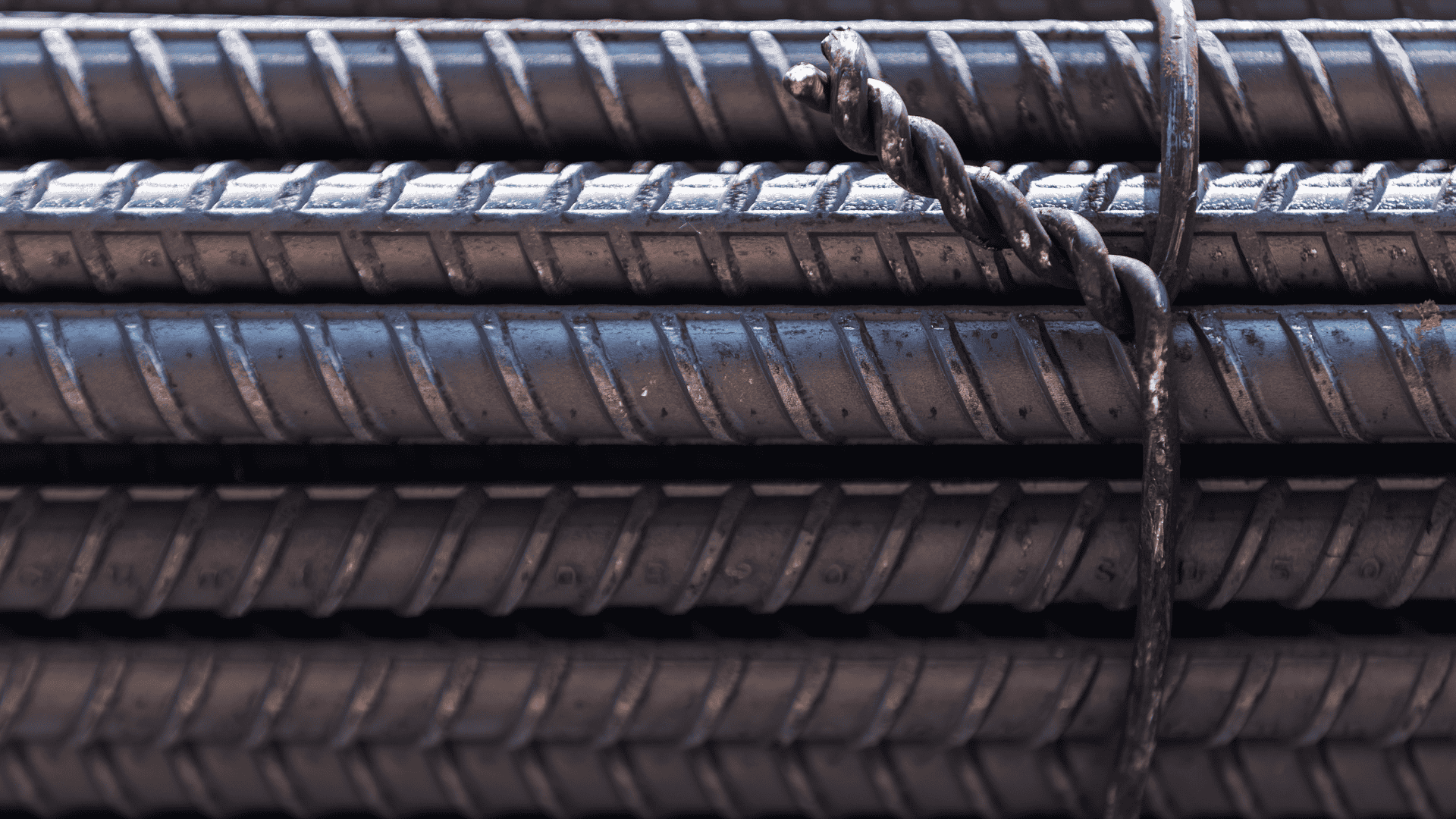
Buying TMT bars is a structural decision, not just a pricing exercise. Contractors and builders should focus on quality, consistency, and execution reliability to avoid site-level risks.
1. Verify Brand Authenticity and Manufacturer Source
Always confirm the brand and manufacturer before finalising a purchase. Reputed manufacturers follow consistent production standards, ensuring uniform strength and ductility across batches. This reduces the risk of quality variation on site.
2. Select the Right TMT Grade for Your Project
Choose the TMT grade based on structural drawings and load requirements. Most residential and commercial projects use 500D, while 550D is suitable for heavier structures and high-load conditions. Selecting the right grade early prevents redesign and cost overruns.
3. Check Certification and Quality Compliance
Ensure the TMT bars comply with BIS standards and quality certifications. Proper compliance means the material meets required strength and performance benchmarks, which are essential for long-term structural safety.
4. Evaluate Consistency, Not Just Pricing
Price alone should not drive the decision. Inconsistent diameter, poor rib patterns, or surface defects can weaken bonding with concrete. Consistent quality across the full supply matters more than short-term cost savings.
5. Plan Quantity and Delivery in Line with Site Progress
Accurate quantity estimation and phase-wise delivery planning help avoid urgent purchases and unexpected delays. Well-planned procurement supports smoother execution and better cost control.
6. Avoid Last-Minute Procurement Decisions
Rushed purchases often lead to brand substitution, quality compromise, or higher prices. Early planning gives contractors better control over grade selection, sourcing options, and delivery timelines.

Even with the right buying approach, many projects still face issues due to common procurement mistakes that are easy to avoid.
Common Mistakes Buyers Make While Purchasing TMT Bars
Many TMT-related issues on site do not come from design errors, but from avoidable procurement mistakes. Knowing these common errors helps contractors and builders prevent quality issues and execution delays.
1. Choosing TMT Bars Based Only on Price
One of the most common mistakes is selecting TMT bars solely because they are cheaper. Lower prices often come with compromises in consistency, ductility, or brand reliability. Over time, this can increase rework costs and structural risk.
2. Ignoring Grade Requirements
Some buyers select the grade that is readily available rather than following the structural drawings. Either not specifying enough or too much of a grade can make things less safe or raise costs without adding value. Choosing a grade should always be in line with what the project needs.
3. Not Verifying Brand Authenticity
Failing to verify the manufacturer or brand increases the risk of substandard or substituted material reaching the site. This is especially risky for load-bearing RCC work, where consistency and compliance matter.
4. Poor Quantity and Delivery Planning
Inaccurate quantity estimates and unplanned deliveries often lead to last-minute purchases. These rushed decisions usually lead to higher prices, fewer options, and on-site scheduling disruptions.
5. Overlooking Consistency Across Batches
Some buyers inspect only a small portion of the supply. Variations in diameter, rib pattern, or surface quality across batches can weaken concrete bonding and affect performance. Consistency across the entire lot is critical.
6. Delaying Procurement Until the Last Moment
Late procurement increases exposure to price fluctuations, brand substitution, and delivery delays. Early planning gives contractors better control over quality, pricing, and execution timelines.
Avoiding these mistakes becomes easier when contractors plan TMT bar procurement in line with project execution rather than reacting at the last minute.
How Contractors and Builders Should Plan TMT Bar Procurement?
Effective TMT bar procurement starts with planning, not urgency. Contractors who align procurement with project execution reduce delays, cost overruns, and quality risks.
1. Plan Procurement Alongside the Construction Schedule
Procurement should align with the project timeline rather than simply respond to it. Align TMT bar purchases with slab casting schedules and structural milestones. This approach avoids last-minute purchasing and maintains consistent material flow on site.
2. Estimate Quantities Accurately at the Start
Accurate quantity estimation helps prevent shortages and excess stock. Review structural drawings carefully and factor in reasonable wastage. Proper estimation reduces repeated orders and minimises price exposure.
3. Choose Phase-Wise Delivery Over Bulk Dumping
Instead of ordering all material at once, plan phase-wise deliveries based on site progress. Space-constrained projects benefit from improved storage, handling, and site safety.
4. Monitor Price Trends Before Finalising Orders
Steel prices fluctuate frequently. Tracking price movements helps contractors better time purchases and avoid sudden cost spikes. Early visibility into pricing also supports better budgeting.
5. Lock Grade and Brand Requirements Early
Finalise TMT grade and brand decisions before procurement begins. Midway changes in specifications often lead to delays, substitution risks, and coordination issues between teams.
6. Coordinate Procurement With Site Readiness
Ensure the site is ready to receive material before scheduling delivery. Poor coordination can lead to unloading delays, rehandling costs, or material damage.
Planned procurement gives contractors and builders better cost control, smoother execution, and fewer disruptions, especially on projects with tight timelines.
After planning quantities, grades, and timelines, the final step is choosing a reliable platform to explore verified TMT bar suppliers.
Sourcing TMT Bars from Verified Suppliers Like SteelonCall
Once contractors finalise the appropriate TMT grade and procurement plan, the next challenge is choosing a reliable online marketplace that reduces sourcing risk rather than adds to it. With multiple platforms offering steel online, credibility, supplier verification, and regional understanding become critical.
1. Working With a Verified Supplier Network
SteelonCall operates with a quality-controlled network of verified suppliers, screened for credibility, compliance, and consistency. During inspections or audits, counterfeit material, grade mismatch, and missing documentation are common issues. This verification process prevents them.
2. Access to Trusted and Established Manufacturers
SteelonCall enables buyers to explore TMT bars from established manufacturers, including brands like Vizag Steel and TATA TISCON. Direct visibility into manufacturer-backed supply improves confidence in brand authenticity and ensures that materials meet approved construction standards.
3. Regional Strength That Supports Project Execution
With a strong operational presence in Andhra Pradesh, Telangana, and Karnataka, SteelonCall understands regional demand patterns, delivery routes, and site-level challenges. This regional grounding helps buyers align TMT procurement more effectively with project timelines and local execution conditions.
4. Designed for Bulk and Project-Based Requirements
Large construction projects require more than spot purchases. SteelonCall supports bulk and project-aligned TMT requirements, enabling buyers to plan grades, quantities, and timelines more systematically rather than relying on fragmented local stock availability.
5. Marketplace Built for Scale and Trust
SteelonCall's large supplier base, extensive steel catalog, and extensive customer network demonstrate that it is a platform designed to deliver steel in large quantities, repeatedly. For contractors and builders, this translates into greater reliability, better coordination, and reduced procurement uncertainty.
SteelonCall helps contractors and builders source TMT bars with clarity, confidence, and control by combining supplier verification, manufacturer access, regional expertise, and platform scale, especially for projects requiring quality and consistency.
Explore TMT bar options from verified suppliers and align procurement with your construction schedule. Check out SteelonCall.
Conclusion
Buying the right TMT bars is a critical decision that directly affects structural safety, execution timelines, and long-term project reliability. Contractors and builders who focus on the correct grade, consistent quality, proper planning, and verified suppliers reduce the risk of rework, delays, and unexpected on-site costs.
Once grade selection and procurement planning are clear, sourcing becomes the final step that determines execution confidence. SteelonCall, a trusted online steel marketplace, simplifies procurement by enabling buyers to browse TMT bars from verified suppliers, view location-based pricing, and digitally organise project requirements.
Check current TMT bar availability and prices online to plan your next construction project with confidence.

Frequently Asked Questions
1. Which TMT bar grade is best for residential construction in India?
For most residential RCC work, 500D TMT bars are suitable. They offer a good balance of strength and ductility, which helps handle load variations and site conditions effectively.
2. When should contractors choose 550D TMT bars instead of 500D?
Contractors should use 550D TMT bars for projects with higher load requirements, such as high-rise buildings, industrial structures, and heavy structural elements specified in design drawings.
3. Why is checking brand authenticity important when buying TMT bars?
Verified brands follow consistent manufacturing and quality standards. This reduces the risk of grade mismatch, inconsistent strength, and documentation issues during inspections or audits.
4. How can poor TMT bar procurement affect a construction project?
Poor procurement can lead to quality variations, brand substitution, delivery delays, and rework. These issues increase project costs and disrupt construction schedules.
5. How can contractors check TMT bar prices before procurement?
Contractors can use online steel marketplaces like SteelonCall to check location-specific TMT bar prices, compare options from verified suppliers, and plan procurement with greater confidence.
Need a price for your requirement?
Share your grade, diameter and quantity — our steel experts come back with a live quote and delivery timeline.