
SteelonCall Journal
Anti-Corrosion TMT Bars: Top 10 Benefits for Construction Projects
Explore the benefits of anti corrosion TMT bars for your construction projects. Ensure longevity and durability with verified suppliers and competitive pricing.
Steeloncall
20 January 2026 · 12 min read
On this page
In the fast-paced world of construction, the pressure to stick to project timelines and budgets is immense. One of the biggest challenges contractors and builders face is sourcing reliable materials that won't compromise the quality of their projects.
Corrosion, a slow but devastating process, can cause expensive repairs and undermine structural integrity, especially in coastal regions or humid environments. This blog will help you explore how anti-corrosion TMT bars can enhance the durability and longevity of your construction projects.
By understanding the benefits of using these advanced materials, you'll make smarter sourcing decisions that ensure long-term stability, cost savings, and project success.
Quick Glance
-
Anti-corrosion TMT bars extend structural lifespan by resisting rust, especially in coastal and humid environments, helping preserve long-term structural integrity.
-
Significant cost savings result from reduced maintenance and fewer repairs, particularly in high-exposure regions such as Andhra Pradesh and Telangana.
-
Corrosion resistance reduces structural risks like cracking and spalling, enhancing safety and maintaining load-bearing capacity.
-
The higher initial costs of anti-corrosion TMT bars are offset by lower lifecycle costs, making them a smart long-term investment for infrastructure.
-
Verified quality and reliable performance of anti-corrosion TMT bars provide peace of mind, especially for projects in aggressive environmental conditions.
What Are Anti-Corrosion TMT Bars
Anti‑corrosion TMT bars are thermo‑mechanically treated reinforcement bars designed with enhanced resistance to rust and chemical attack in concrete structures. Unlike standard rebar, anti‑corrosion variants may include alloying elements or protective surface treatments that help slow the chemical reactions leading to oxidation and rust.
These features mean the steel maintains its structural properties longer, particularly when chlorides, carbonation, and moisture threaten the durability of rebar in concrete.
-
In reinforced concrete, the alkalinity of concrete initially provides a passive protective layer on embedded steel bars, slowing corrosion.
-
However, aggressive environments, such as saline coastal regions or high-humidity zones, can disrupt passivation and accelerate rust formation.
-
Corrosion‑induced expansion of steel oxides also exerts pressure on surrounding concrete, leading to cracking and spalling if not addressed through material choice.
Why Corrosion Resistance Matters to Your Project
For builders and project managers, corrosion isn't a surface issue. It's a structural durability challenge that affects a building's long‑term performance, safety, and maintenance costs.
-
Corrosion of embedded steel is one of the primary causes of reinforced concrete deterioration over time, particularly when chloride ions or carbon dioxide infiltrate the concrete cover and break down protective films around steel.
-
When corrosion progresses, it not only reduces the cross‑sectional strength of the reinforcement but can also lead to concrete cracking and spalling, undermining load capacity and safety.
Choosing anti‑corrosion TMT bars from reputable sources helps minimise these risks, especially on projects in Andhra Pradesh, Telangana, and Karnataka, where coastal exposure and monsoon humidity are common factors.
Suggested Read: Different Grades Of TMT Steel Bars
With the importance of corrosion resistance established, let's explore specific benefits that anti-corrosion TMT bars offer.
Top 10 Benefits of Anti-Corrosion TMT Bars for Your Construction Projects
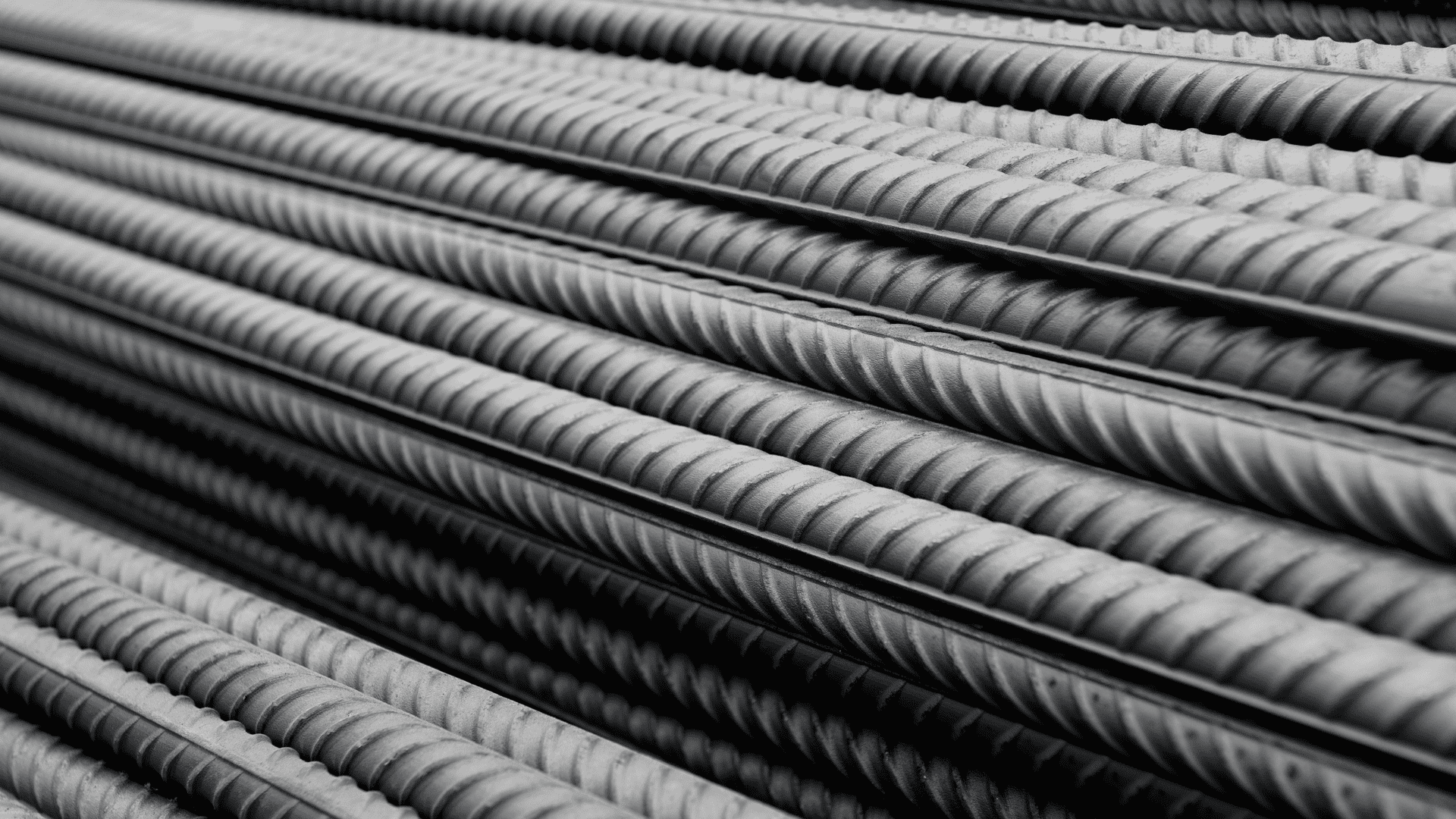
Corrosion of steel reinforcement bars is widely recognised by structural engineers and materials scientists as a leading threat to the durability of reinforced concrete structures.
Using corrosion‑resistant reinforcement, such as anti‑corrosion TMT bars, helps preserve bond integrity, structural strength, and long‑term performance of reinforced concrete, reducing lifecycle maintenance risks.
To be clearer, let's look at the top practical benefits these advanced TMT bars deliver on the jobsite.
1) Extended Structural Lifespan in Aggressive Environments
Anti‑corrosion TMT bars significantly slow the corrosion process in reinforced concrete structures, one of the primary causes of durability loss over time. Corrosion of steel rebars is a key factor in long‑term concrete degradation, especially when exposed to chlorides and carbonation.
Improved corrosion resistance can extend structure life well beyond standard expectations, particularly in coastal or high‑humidity zones where chloride ingress is common.
2) Reduced Repair & Maintenance Costs Over Lifecycle
Structures reinforced with anti‑corrosion TMT bars require fewer repairs and interventions because the risk of reinforcement rust and concrete cracking is minimised.
Over decades of service, the cumulative cost savings, especially on major facades, beams, and columns, can outweigh the marginal upfront cost premium of corrosion‑resistant steel.
3) Superior Performance in Coastal and Humid Zones
In regions like Andhra Pradesh, Telangana, and Karnataka, monsoon rains and coastal salt spray are common. Chloride ions penetrate concrete and accelerate corrosion of standard rebars, eventually reducing tensile capacity and causing concrete spalling.
Anti‑corrosion TMT bars are engineered to resist such aggressive agents, maintaining strength and integrity longer under these conditions.
4) Enhanced Safety and Structural Integrity
Corrosion weakens reinforcement bars and can induce internal tensile stresses that cause concrete cracking and spalling, undermining load capacity.
Anti‑corrosion bars help maintain core tensile strength throughout the service life, keeping reinforced concrete performing as designed under load and reducing the risk of localised failure.
5) Lower Risk of Concrete Spalling and Cracking
Corrosion products (iron oxides) expand and exert internal stress within the concrete matrix. This expansion can be a leading cause of cracking and surface spalling in traditional reinforcement.
Anti‑corrosion bars slow this process, reducing the likelihood of such degradation patterns overtime.
6) Better Long‑Term Return on Investment (ROI)
While anti‑corrosion TMT bars may cost somewhat more upfront than standard bars, the total cost of ownership usually comes down over the long term due to lower maintenance, fewer repairs, and longer service life, particularly on high‑exposure projects.
This matters most on buildings and infrastructure, where lifecycle budgets are critical.
7) Improved Seismic & Dynamic Performance
Alloying elements used to improve corrosion resistance, such as chromium, copper, or nickel, also tend to refine microstructure and toughness without sacrificing ductility.
Improved alloy compositions have been linked to enhanced corrosion resistance while preserving key mechanical properties, such as tensile strength and elongation.
8) Reduced Downtime on Repair Work
When corrosion is mitigated at the reinforcement level, there is less need for future corrective works (e.g., patch repairs, reapplications of external coatings).
This has direct implications for project lifecycle planning, reducing interruptions for occupants, contractors, and facility managers.
9) More Predictable Performance in Variable Climates
Anticorrosion TMT bars perform more consistently across a range of environmental conditions, from dry interior regions to humid coastal zones.
This is because they are less sensitive to chloride diffusion and to pH changes in concrete pore fluids, which often trigger corrosion in standard steel bars.
10) Lower Environmental Impact Over the Structure's Life
By extending the service life of reinforced concrete elements and reducing the frequency of material replacement, anti‑corrosion TMT bars contribute to resource efficiency and a reduced overall environmental impact.
Structures that avoid premature repair cycles consume fewer materials and generate less construction waste.
Each of these benefits ties to measurable outcomes, from lifespan extension and safety to cost efficiency and climate performance, which is critical for contractors, builders, fabricators, and project managers.

Now, let's understand how to make the best choice for your construction needs by focusing on the right grades, certifications, and supplier standards.
How to Choose the Right Anti‑Corrosion TMT Bars for Your Project
Selecting the most appropriate anti‑corrosion TMT bars for your construction projects requires an actionable set of criteria, such as grades, supplier verification, and quality standards. This makes sure that your choice reduces risk and aligns with project demands
Here's a clear roadmap for choosing the right option:
1. Select the Appropriate Grade
When choosing anti‑corrosion TMT bars, grade matters critically. In reinforced concrete, the steel grade determines yield strength, ductility, and performance under stress. For long‑lasting structures, especially in environments where corrosion is a threat, Fe 500D and Fe 550D are industry‑preferred grades.
-
These grades combine high tensile strength with adequate ductility and are formulated to resist crack propagation, reducing the risk of corrosion initiation through stress concentrations.
-
Anti‑corrosion variants of these grades often include alloying or enhanced microstructures that maintain strength while offering greater resistance to corrosion mechanisms such as chloride‑induced oxidation and carbonation.
-
In reinforced concrete settings, maintaining the optimum cover thickness and using higher grades helps delay corrosion initiation by protecting the rebar from aggressive environmental agents.
2. Check for Certified Corrosion Resistance & Quality Test Reports
Selecting anti‑corrosion TMT bars isn't just about grade. It’s about verified performance under corrosive stress. Look for mill test certificates (MTCs) and corrosion resistance data from suppliers.
-
Corrosion behaviour in reinforced concrete is influenced by multiple factors, including chloride penetration and carbonation, which degrade the passivation film around steel over time. Testing (such as electrochemical impedance spectroscopy or accelerated chloride exposure) provides direct evidence of a bar's resistance to corrosion.
-
Certified reports that document low corrosion rates, limited chloride diffusion impact, or enhanced passivation properties are strong indicators of true anti‑corrosion performance.
What to Ask From Suppliers:
-
"Can you provide mill test certificates confirming corrosion resistance properties?”
-
"Do you have corrosion performance data or test reports for this batch?”
3. Verify Supplier Credentials & Compliance Standards
Supplier quality is a major differentiator in corrosion performance. Not all TMT bars labelled "anti‑corrosion" deliver consistent performance.
-
Verify that suppliers adhere to relevant Indian standards for TMT bars and corrosion resistance. Although Indian standards (such as BIS) primarily focus on mechanical strength and dimensions, certified suppliers often provide independent corrosion test results alongside MTCs.
-
Reputable suppliers often participate in third‑party quality audits and can share documentation on corrosion resistance measures (e.g., coatings, alloy compositions).
What to Validate:
-
ISO certification or equivalent quality management system credentials.
-
Compliance with relevant testing standards, especially tests targeting corrosion behaviour.
4. Consider Environmental Exposure & Project Location
Your project environment dictates how aggressive corrosion threats may be.
-
In coastal regions (e.g., Visakhapatnam or coastal Karnataka), chloride‑laden air and salt spray accelerate corrosion. Concrete structures exposed to monsoon rainfall or splash zones are also at higher risk.
-
Humidity and wet–dry cycles, common during monsoons, significantly influence corrosion initiation and propagation. Corrosion rates increase when concrete is repeatedly exposed to moisture followed by drying, due to more aggressive chloride transport and oxygen delivery at the steel surface.
Do a Practical Check:
-
Match anti‑corrosion performance specifications to worst‑case exposure scenarios that your site may face.
-
If the project is inland and dry, the corrosion risk may be lower than near the coast, but it remains significant in high-humidity conditions.
5. Align Bar Specification with Structural Requirements & Design Loads
Anti‑corrosion performance is only useful if the selected bars also meet structural requirements.
-
Ensure the selected bars meet design loads, seismic requirements, and the structure's load distribution needs using standard engineering design checks.
-
Anti‑corrosion variants should not compromise mechanical properties, especially tensile strength, yield stress, and ductility, which are essential for safe load bearing and seismic resilience.
Tip for Engineers/Project Managers:
-
Include anti‑corrosion TMT bar specifications in design documentation with clear performance targets, corrosion resistance metrics and mechanical property requirements.
With all these right selection processes in mind, it's important to understand how sourcing your materials from the right platform, like SteelonCall, can enhance your project's efficiency, quality, and reliability.
Why Choose SteelonCall for Your Anti-Corrosion TMT Bar Needs?
SteelonCall is an online steel marketplace designed to meet the unique needs of construction and fabrication businesses. We provide contractors, builders, and project managers with dependable access to high-quality, anti-corrosion TMT bars for demanding environments.
Here's why SteelonCall stands out as your go-to solution for sourcing anti-corrosion TMT bars:
-
Verified Supplier Network for Quality Assurance
SteelonCall collaborates with 250+ verified suppliers, each meeting strict quality and compliance standards. This network helps eliminate the common issue of receiving materials that don't match the promised grade, reducing structural and compliance risks.
-
Direct Access to Trusted Manufacturers
Buyers can source anti-corrosion TMT bars directly from established manufacturers, including Vizag Steel. This ensures the material's authenticity and guarantees consistent grade supply, making it the right choice for projects that demand highly durable, corrosion-resistant reinforcement.
-
Strong Regional Presence in High-Risk Areas
SteelonCall's operational strength in regions like Andhra Pradesh, Telangana, and Karnataka gives us a deep understanding of local needs and challenges. This regional expertise helps ease logistics and ensures on-time delivery for projects in high-risk areas affected by humidity and coastal conditions.
-
Support for Bulk and Custom Grade Requirements
Coastal and high-humidity projects often require specific grades, sizes, and quantities of anti-corrosion TMT bars. SteelonCall supports bulk orders and custom grade requests, ensuring your procurement is aligned with project specifications and timelines.
-
End-to-End Logistics Coordination
SteelonCall coordinates logistics from supplier dispatch to site delivery, reducing handling risks and ensuring timely, safe material movement. This is especially important for coastal and humid environments, where delays or improper storage can compromise the integrity of your anti-corrosion TMT bars.
With over 9,600+ trusted customers, 8,560+ orders processed, and ₹3,360+ million in turnover, we bring credibility, competitive pricing, and a simplified procurement process to your project.
Wrapping Up
By selecting high-quality, anti-corrosion TMT bars, construction professionals can mitigate risks of rust, reduce maintenance costs, and ensure long-term structural integrity. This is especially beneficial in high-humidity or coastal areas such as Andhra Pradesh, Telangana, and Karnataka.
Making the right choice of anti-corrosion TMT bars is crucial to the success of your construction project. With SteelonCall's verified supplier network and direct access to trusted manufacturers like Vizag Steel, you can ensure your materials meet the highest standards.
Check the latest prices and availability for anti-corrosion TMT bars today and simplify your project procurement with confidence.
FAQs
1. How does anti‑corrosion reinforcement compare to epoxy‑coated or galvanised bars
Anti‑corrosion TMT bars are engineered with corrosion‑resistant properties inherent to the steel, while epoxy or galvanised coatings act as surface barriers; coatings can fail if damaged, but inherent resistance helps maintain performance even if the surface layer is compromised.
2. Can corrosion resistance be affected by improper concrete cover?
Yes. Adequate concrete cover depth is essential because it protects embedded steel from moisture and chlorides; insufficient cover allows corrosive agents to reach rebars sooner, reducing long‑term performance.
3. Are anti‑corrosion TMT bars equally effective in inland and coastal environments?
They improve durability in both, but the benefits are more pronounced in coastal or high‑humidity zones where chloride attack and moisture exposure accelerate corrosion.
4. Do anti‑corrosion TMT bars require special handling on site?
Generally no. Unlike some coated bars (e.g., epoxy‑coated), anti‑corrosion TMT bars retain their corrosion resistance when bent or handled on site, making them easier to work with during placement.
5. Will using anti‑corrosion TMT bars reduce long‑term structural inspection needs?
Yes, because they slow down corrosion initiation and progression, they reduce the frequency and extent of long‑term inspections and remedial work compared with conventional reinforcement.
Need a price for your requirement?
Share your grade, diameter and quantity — our steel experts come back with a live quote and delivery timeline.