
SteelonCall Journal
Steel Quality Fraud in Construction: How to Identify and Avoid It
Steel quality fraud can derail projects. Learn how to identify risks, verify steel, and avoid fraud using price clarity and on-site checks.
Steeloncall
19 January 2026 · 15 min read
On this page
- At a Glance
- What Is Steel Quality Fraud? And Why It’s So Common in India
- Most Common Types of Steel Quality Fraud You Must Watch Out For
- Early Warning Signs of Steel Quality Fraud Before and During Delivery
- On-Site Checks to Prevent Steel Quality Fraud During Delivery
- Real-World Impact: What Steel Quality Fraud Can Cost a Project
- How SteelonCall Prevents Steel Quality Fraud
- Why Real-Time Online Steel Pricing Reduces Fraud Risk
- Conclusion
- FAQs
In today’s construction market, steel quality fraud is no longer an isolated issue. It is part of a broader procurement risk affecting contractors, builders, and project owners across India. A 2024 PwC India survey found that 59% of organisations experienced financial or economic fraud in the past 24 months, with procurement fraud emerging as the biggest risk area. This highlights how material sourcing, including steel, has become a major vulnerability in project execution.
The consequences go beyond paperwork. In a recent case, a Nagpur-based businessman was arrested for a ₹36 crore steel supply fraud, showing how misrepresentation, non-delivery, or substitution can cause severe financial losses.
What makes steel quality fraud especially dangerous is that it often remains hidden until the steel reaches the site or is already used. Lower-grade material, substituted brands, fake test certificates, or underweight supply can quietly compromise structural safety, disrupt schedules, and expose builders to legal and reputational risk.
For contractors, builders, and procurement managers, particularly in price-sensitive South Indian markets, the question is critical: how do you verify genuine steel and prevent quality fraud before it impacts your project? This guide explains the key fraud risks and practical steps to protect your budget, timeline, and credibility.
At a Glance
-
Steel quality fraud is a procurement-stage risk, not just a site issue, and often goes unnoticed until damage is done.
-
Fraud commonly occurs through brand substitution, grade downgrading, fake test certificates, and underweight supply, even with branded steel.
-
Unusually low prices are a major red flag and often indicate quality compromise or specification mismatch.
-
Early verification matters most. Clear specifications, document checks, and controlled acceptance reduce risk significantly.
-
On-site checks before unloading are the last line of defence and should never be skipped.
-
Real-time steel price visibility across brands helps buyers identify unrealistic quotes, reducing pressure-driven decisions that lead to fraud.
-
Preventing steel quality fraud is always cheaper than correcting it after steel is used in the structure.
What Is Steel Quality Fraud? And Why It’s So Common in India
Steel quality fraud refers to any situation where the steel supplied to a buyer does not match what was promised, billed, or certified. This mismatch can relate to the brand, grade, weight, quality standard, or test certification of the steel. In simple terms, the buyer pays for one quality of steel but receives something inferior or different.
Unlike visible defects, steel quality fraud is often document-based and supply-chain driven, which makes it harder to detect at first glance. The material may look normal during delivery, but the risk lies in what cannot be easily verified on site without proper checks.
What Steel Quality Fraud Typically Involves
In real construction and fabrication projects, steel quality fraud usually shows up as:
-
A lower grade supplied instead of the specified grade
-
A different brand delivered than what appears on the invoice
-
Fake, altered, or reused test certificates
-
Underweight bars, plates, or sections
-
Non-standard or re-rolled steel sold as primary material
Each of these directly affects structural performance, durability, and compliance.
Why Steel Quality Fraud Is So Common in the Indian Market
Steel quality fraud is not just about dishonest sellers. It is largely a result of how the traditional steel supply chain operates in India.
-
Multiple intermediaries: Steel often passes through several traders, stockists, and sub-dealers before reaching the site. With each layer, traceability reduces and the scope for substitution increases.
-
Price-driven purchasing decisions: In competitive construction markets, buyers are under constant pressure to reduce material costs. Extremely low prices often become the entry point for grade dilution or brand substitution.
-
Limited verification at site: Most project sites do not have the time, tools, or systems to verify heat numbers, test certificates, or actual weight during unloading. This creates a gap that fraud exploits.
-
Delayed detection: Steel is usually cut, bent, or concreted soon after delivery. Once embedded, discovering quality issues becomes difficult and expensive to correct.
Why Even Branded Steel Is Not Immune
A common misconception is that buying branded steel automatically eliminates risk. In reality, fraud often happens between the manufacturer and the site, not at the manufacturing level. Genuine brands can still be substituted, downgraded, or misrepresented during trading, transport, or billing.
This is why steel quality fraud is less about which brand you choose and more about how and from whom you source it. Understanding this distinction is the first step toward protecting your project from hidden quality risks.
Also Read: Different Grades Of TMT Steel Bars
Most Common Types of Steel Quality Fraud You Must Watch Out For
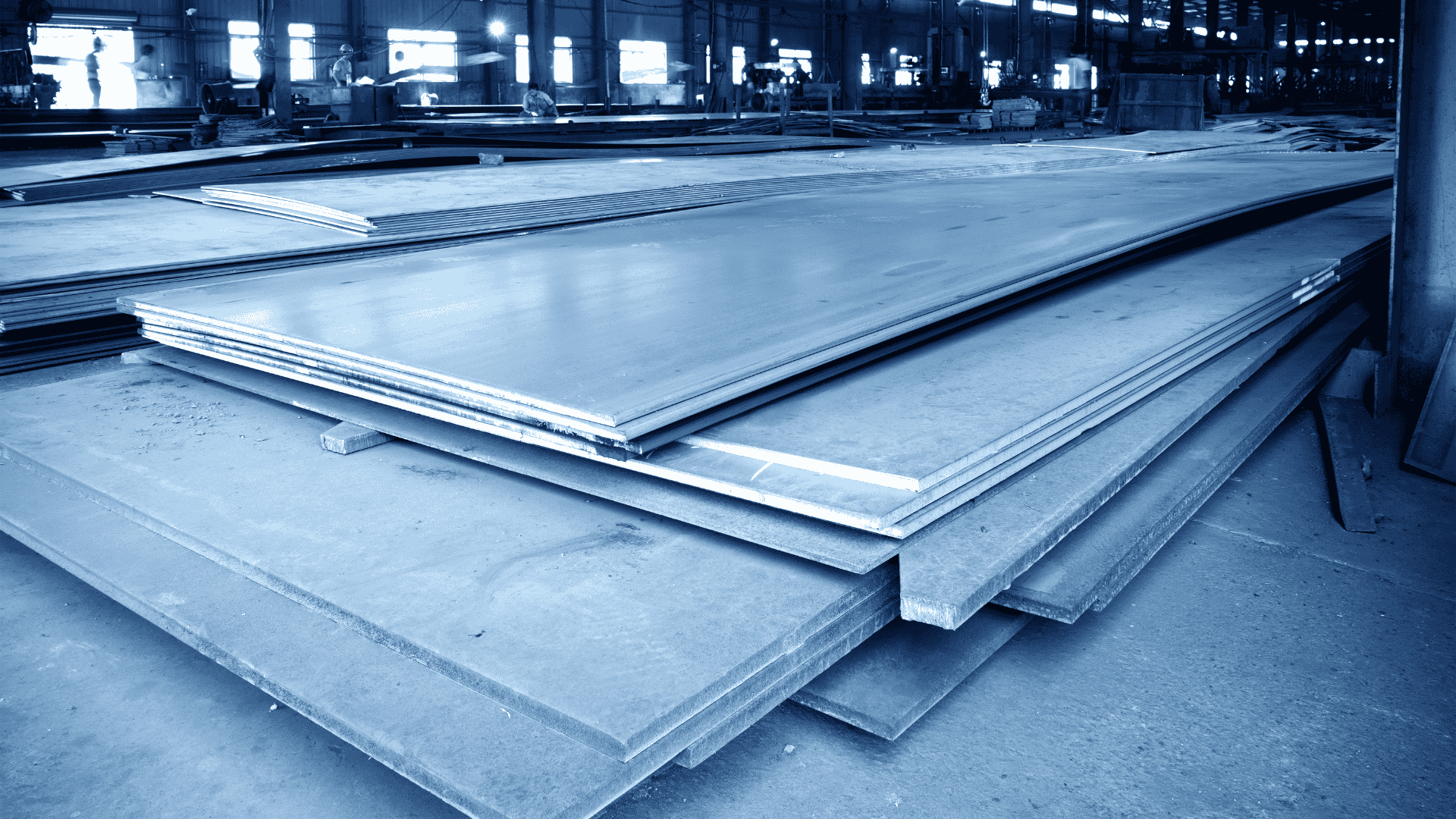
Steel quality fraud rarely happens in just one way. In most cases, it appears through practical, on-ground tactics that are easy to miss unless you know exactly what to look for. Below are the most common types of steel quality fraud seen across residential, commercial, and infrastructure projects in India.
1. Brand Substitution Fraud
This is one of the most frequent issues in the market. The buyer places an order for a specific primary brand, but a different brand is delivered to site, often a lesser-known or unverified one.
-
Invoice mentions a reputed brand, but delivered steel carries different embossing
-
Excuses such as “temporary stock issue” or “same quality, different brand” are used
-
Happens most often when buying through multiple intermediaries
Risk: Unknown quality, inconsistent performance, and no manufacturer accountability.
2. Grade Downgrading
Here, steel of a lower grade is supplied against a higher-grade order. For example, Fe 500 may be supplied instead of Fe 500D, or non-ductile steel instead of earthquake-resistant grades.
-
Grade difference is not easily visible by appearance
-
Buyers rely on paperwork rather than physical verification
-
Especially risky in RCC structures and seismic zones
Risk: Reduced ductility, lower load-bearing capacity, and structural safety concerns.
3. Fake or Reused Test Certificates
Test Certificates (TCs) are critical for quality verification, but they are also commonly misused.
-
Old TCs reused for new material
-
TCs shared without matching heat numbers
-
Edited or partially altered certificates
Risk: No reliable proof of chemical composition or mechanical properties.
4. Underweight Steel Supply
Steel may be billed by theoretical weight, but actual delivered weight falls short.
-
Bars with reduced diameter
-
Plates and sections thinner than specified
-
Weight discrepancies discovered only during consumption
Risk: Direct financial loss and potential structural under-design.
5. Re-rolled or Secondary Steel Sold as Primary
Re-rolled or secondary steel is sometimes passed off as fresh primary material.
-
Surface finish may look acceptable initially
-
Often lacks proper brand embossing or traceability
-
Sold at attractive prices to close deals quickly
Risk: Inconsistent strength, poor weldability, and reduced lifespan.
6. Bait-and-Switch After Advance Payment
In this scenario, the buyer is quoted and invoiced for compliant steel, but different material is dispatched after payment.
-
Changes happen during loading or transport
-
Buyer realises the issue only after delivery
-
Disputes become difficult once material is unloaded
Risk: Project delays, rejection hassles, and cash flow stress.
Understanding these common fraud patterns helps contractors and procurement teams identify red flags early, before the steel is accepted at site. In the next section, we look at the early warning signs that indicate steel quality fraud even before delivery happens.
Early Warning Signs of Steel Quality Fraud Before and During Delivery
Once you understand the common fraud methods, the next step is knowing when to stop, question, or verify before accepting material. Steel quality fraud usually leaves signals early in the buying or delivery process. Spotting these warning signs in time can prevent losses, rework, and disputes.
Red Flags Before You Place the Order
These issues often appear at the quotation or negotiation stage:
-
Prices far below prevailing market rates without a clear explanation
-
Verbal assurances like “same quality as branded steel” without documentation
-
Reluctance to clearly mention brand, grade, IS standard, and quantity on the quotation
-
Pressure to make quick advance payments to “lock today’s rate”
-
No clarity on where the steel is being sourced from
If the deal feels rushed or vague, it usually is.
Warning Signs During Billing and Documentation
Paperwork is where many quality mismatches begin:
-
Invoice description does not clearly specify grade or IS code
-
Test Certificate shared separately, late, or only after repeated follow-up
-
TC details that cannot be matched to the invoice or delivery note
-
No mention of heat number, batch number, or manufacturer reference
Incomplete or inconsistent documents should always trigger a pause.
Red Flags at the Time of Delivery
Even before unloading, there are visible signs that something may be wrong:
-
Delivered steel brand markings do not match the invoice
-
Bundles mixed with multiple brands or unclear embossing
-
Packaging looks tampered with or repacked
-
Transport documents differ from billing details
At this stage, accepting material “for now” often becomes costly later.
Behavioural Warning Signs from Sellers
Apart from material and documents, seller behaviour itself can indicate risk:
-
Resistance to inspection or verification at site
-
Statements like “this is standard practice” or “everyone uses this”
-
Avoidance of written confirmation over email or official invoice
-
Delays in responding once discrepancies are pointed out
Genuine suppliers are usually transparent and cooperative. Defensive behaviour is a warning sign.
Once steel is unloaded, cut, or used, the buyer’s leverage reduces significantly. Identifying these early warning signs allows contractors and procurement teams to hold delivery, seek clarification, or reject material before it impacts the project.

On-Site Checks to Prevent Steel Quality Fraud During Delivery
Even after careful supplier selection and pre-purchase verification, the final and most critical control point is the construction site. This is where steel quality fraud must be caught before the material is accepted, unloaded, or used.
These on-site checks focus only on execution-level controls, not procurement theory.
1. Checks at the Site Gate Before Unloading
Before allowing unloading, verify the following against your purchase order and invoice:
-
Brand name and product type mentioned on the delivery challan
-
Grade and specification (for example, Fe 500D, IS standard)
-
Number of bundles or pieces mentioned vs delivered
-
Vehicle number and dispatch location
If documents do not match the order details, pause unloading until clarified.
2. Visual Inspection of Steel Bundles
During unloading, conduct a basic but systematic visual check:
-
Confirm clear and consistent brand embossing on bars or sections
-
Look for mixed brands or unmarked steel within the same load
-
Check for excessive rust, pitting, scaling, or surface defects
-
Watch for signs of re-rolling such as uneven ribs or poor finish
Visual inconsistency is often the first physical indicator of quality issues.
3. Diameter and Dimensional Consistency
Use simple tools already available at most sites:
-
Measure bar diameter at random points using a vernier caliper or gauge
-
Check plates and sections for thickness consistency
-
Compare readings across multiple bars from different bundles
Significant variation can indicate underweight or non-standard material.
4. Weight and Quantity Confirmation
Where feasible:
-
Weigh a sample bundle or the entire load at a nearby weighbridge
-
Compare actual weight with billed quantity
-
Record any shortage immediately
Even small weight differences can add up to substantial financial loss on bulk orders.
5. Test Certificate Matching at Site
At delivery, ensure:
-
The Test Certificate corresponds to the same brand and grade
-
Heat number or batch number on the TC matches markings on the steel
-
TC is legible, complete, and unaltered
If the TC is missing or does not match, do not treat it as a minor issue. This is a valid reason to hold acceptance.
6. Documentation and Evidence Collection
Always document before acceptance:
-
Photos of brand embossing and bundle tags
-
Copies of invoice, delivery challan, and test certificate
-
Notes on discrepancies, if any
This protects the contractor and project owner in case of disputes later.
7. When to Reject Steel Without Delay
Steel should be rejected immediately if:
-
Delivered brand or grade does not match the order
-
Test certificate is unavailable or mismatched
-
Mixed or unmarked material is found in the load
-
Weight or quantity deviation is significant
Early rejection prevents schedule disruption and avoids quality risk entering the structure.
Once steel is unloaded, cut, or used, corrective action becomes difficult and expensive. Simple, disciplined checks at site help contractors and builders stop steel quality fraud at the last line of defence, without slowing down construction.
Real-World Impact: What Steel Quality Fraud Can Cost a Project
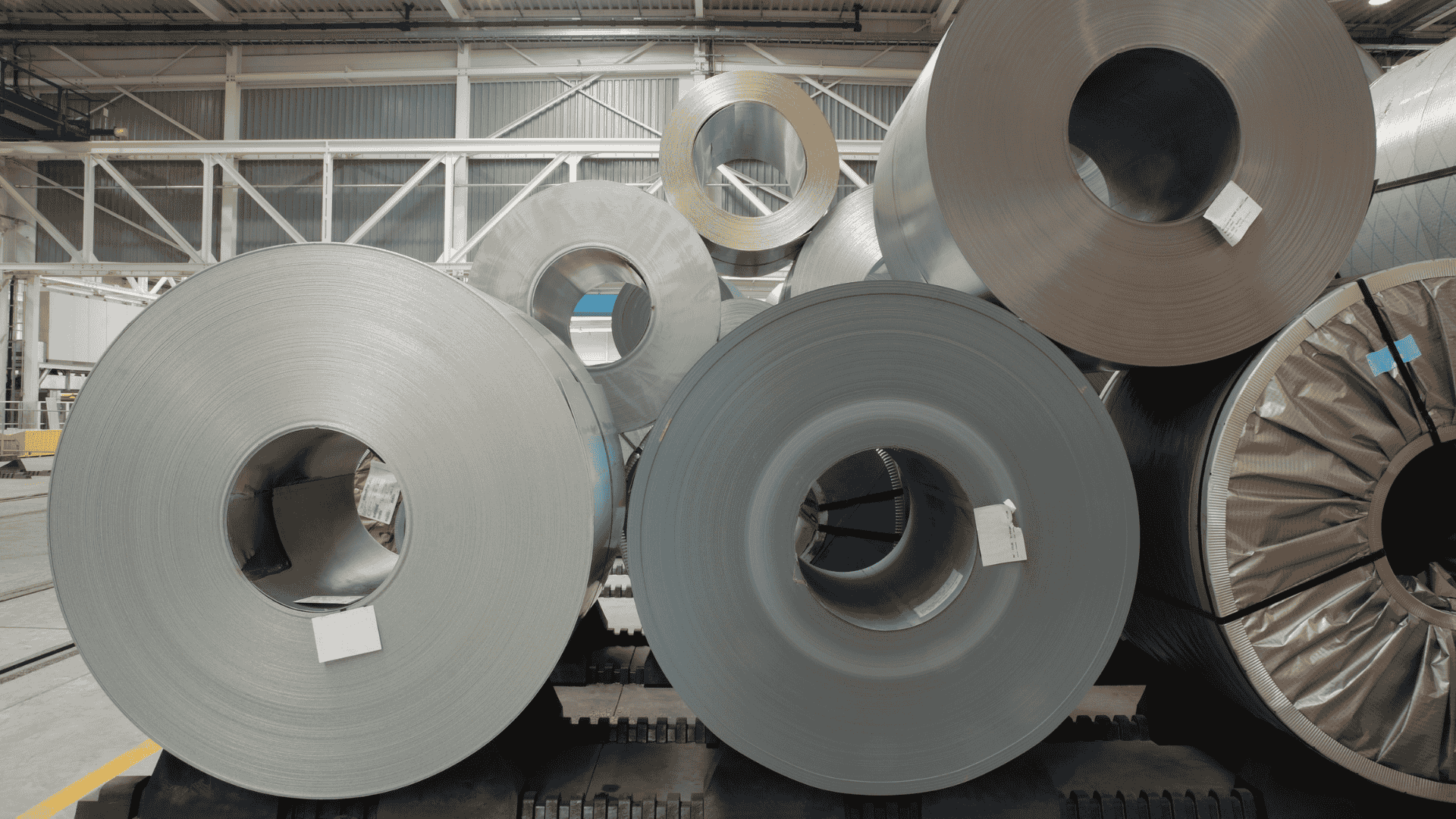
Steel quality fraud rarely stops at material loss. Once defective or non-compliant steel enters a project, the consequences spread quickly across cost, time, and accountability.
-
Structural Risk: Lower-grade or non-ductile steel directly reduces structural safety. In RCC works, once steel is cut or concreted, correction often means demolition or major rework. These risks may surface only under load or stress, long after construction is complete.
-
Cost Overruns Beyond Steel Value: The financial impact is not limited to replacing steel. It includes wasted labour, rework of concrete and reinforcement, additional testing, and idle manpower. In many cases, these secondary costs exceed the original material value.
-
Project Delays: Quality disputes halt work. Critical activities get delayed, downstream trades are affected, and tight schedules slip. For time-bound projects, this can lead to penalties or strained client relationships.
-
Compliance and Liability Issues: If steel quality cannot be proven through proper documentation, contractors and builders may face approval challenges, audit failures, or rejected insurance and warranty claims, even if the fault originated elsewhere.
-
Long-Term Reputation Risk: Structural quality issues damage trust. Builders and contractors risk legal exposure, loss of repeat business, and long-term reputational harm.
In short, steel quality fraud creates risks that are far more expensive to fix than to prevent.
Also Read: Online Steel Selling Providers: Quality Steel at Competitive Prices
How SteelonCall Prevents Steel Quality Fraud
Steel quality fraud often begins before any steel is purchased, at the stage where buyers lack clear information on prices, brands, and specifications. This is where SteelonCall plays a critical role.
-
Real-Time Price Visibility Across Brands: SteelonCall provides live steel prices across leading manufacturers and grades. This allows buyers to understand the correct market range for a given specification and quickly identify prices that are unusually low or inconsistent.
-
Focus on Verified, Primary Brands: Prices on SteelonCall are available only for established, primary steel brands. This helps buyers avoid unverified or grey-market material without relying solely on trader claims or informal assurances.
-
Specification-Led Price Comparison: By structuring prices around brand, grade, and product type, SteelonCall reinforces disciplined buying. Buyers compare like-for-like specifications instead of generic steel categories, reducing the risk of substitution later.
-
Stronger Negotiation and Decision Control: With independent price clarity, buyers enter discussions with suppliers better informed. This limits scope for verbal changes, mid-deal adjustments, or quality compromises justified by price movements.
-
Reduced Pressure and Urgency: When buyers can check prices instantly, pressure tactics such as “last-minute rate hikes” or “limited-time offers” lose their impact. Decisions become planned, documented, and quality-focused.
SteelonCall does not replace suppliers, site inspections, or quality checks. It acts as a price discovery and transparency layer that strengthens sourcing decisions and reduces the conditions under which steel quality fraud typically occurs.
By removing pricing uncertainty, SteelonCall helps buyers protect quality, budget, and accountability before steel ever reaches the site. Check out SteelonCall’sfull range of steel products now.
Why Real-Time Online Steel Pricing Reduces Fraud Risk
Steel quality fraud often begins with price ambiguity, not at the site. When buyers do not have clear visibility into current market prices for specific steel brands and grades, decision-making becomes vulnerable to assumptions and pressure tactics.
Real-time online steel pricing reduces this risk by:
-
Showing live prices across multiple steel brands and grades, helping buyers understand what a fair rate looks like
-
Highlighting unrealistic price gaps, which are often an early indicator of substitution or quality compromise
-
Reducing dependency on verbal quotes and intermediaries, where specifications can quietly change
-
Allowing buyers to validate rates independently before committing to any supplier
When buyers know the correct market price for a given specification, it becomes much harder for quality to be diluted later under the excuse of pricing.
In short, price visibility protects quality decisions. Transparent, real-time steel prices give contractors and procurement teams the clarity needed to avoid steel quality fraud before the buying process even begins.
Conclusion
Steel quality fraud rarely happens because buyers are careless. It happens when price clarity is missing, specifications are loosely defined, and decisions are made under pressure. Once steel enters the structure, correcting a mistake becomes expensive, disruptive, and risky.
The most effective protection is simple and disciplined:
-
Know the correct market price for the exact brand and grade
-
Fix specifications clearly before committing
-
Verify material and documents before acceptance
-
Reject mismatches early instead of managing disputes later
Platforms like SteelonCall support this discipline by providing real-time visibility into steel prices across brands and grades. This price transparency helps buyers make informed decisions and reduces the conditions in which steel quality fraud typically occurs.Get in touch with our experts today!
In steel buying, price clarity leads to quality control.
FAQs
Q: How common is steel quality fraud in construction projects in India?
A: Steel quality fraud is increasingly common in Indian construction projects, especially where steel is purchased through multiple intermediaries without clear price and specification visibility.
Q: How can contractors identify steel quality fraud before delivery?
A: Contractors can identify steel quality fraud early by checking price consistency across brands, ensuring clear grade specifications, and avoiding suppliers who rely only on verbal assurances.
Q: How to verify steel quality using test certificates and markings?
A: To verify steel quality, the test certificate must match the delivered steel’s brand, grade, and heat number. Certificates alone are not sufficient without physical verification.
Q: What are the risks of buying steel at very low prices?
A: Buying steel at unusually low prices increases the risk of grade downgrading, brand substitution, underweight supply, or non-standard steel being delivered to site.
Q: How does real-time steel price visibility help prevent steel quality fraud?
A: Real-time steel price visibility helps buyers understand fair market rates for specific brands and grades, making it harder for suppliers to justify quality compromises later.
Q: What should builders do if steel quality does not match the invoice?
A: If delivered steel does not match the invoice in brand, grade, or documentation, builders should stop usage immediately and seek clarification or rejection before unloading or cutting.
Need a price for your requirement?
Share your grade, diameter and quantity — our steel experts come back with a live quote and delivery timeline.