
SteelonCall Journal
How to Identify Low Quality Steel & Avoid Costly Mistakes in Construction
Learn how to identify low quality steel & avoid costly mistakes. SteelonCall offers verified suppliers, competitive pricing, & reliable delivery in South India.
Steeloncall
20 January 2026 · 13 min read
On this page
- Key Takeaways:
- What Contractors & Project Managers Mean by "Low Quality Steel
- Common Signs of Low Quality or Substandard Steel on Site
- Why Low Quality or Fake Steel Leads to Costly Project Mistakes
- Practical Low Quality Steel Spotting Checklist for Buyers
- Why Traditional Dealers Are Riskier and How Digital Marketplaces Help
- What to Do When You Suspect You’ve Received Low Quality Steel
- Why Choose SteelonCall for High-Quality Steel Sourcing?
- Conclusion
- FAQs
The construction and fabrication world runs on deadlines, but low-quality steel can throw everything off course. A subpar batch can lead to costly rework, structural failures, or worse, legal liabilities. And when you're racing against time, the last thing you want is to discover that the material you've been waiting on isn't what you ordered or won't meet your site's needs.
But what if there's a way to avoid these risks altogether? This blog will show you how to identify low-quality steel before it becomes a problem. This will help you make smarter sourcing decisions that keep your projects on track, on budget, and on time.
Key Takeaways:
-
Spot Low Quality Steel Early: Check for missing certifications, poor surface features, and inconsistent markings to avoid substandard material.
-
Avoid Costly Delays: Low-quality steel can cause rework, delays, and safety issues, increasing project costs.
-
Verify Steel Grades: Always ensure steel meets required specifications and certifications to prevent performance issues.
-
Use Simple Quality Tests: Conduct quick tests, such as bend and weight checks, to confirm steel quality before acceptance.
-
Ensure Reliable Sourcing: Source TMT Bars 500D/550D from verified suppliers for guaranteed quality and timely delivery.
What Contractors & Project Managers Mean by "Low Quality Steel”
In construction and fabrication, low quality steel refers to material that fails to meet expected mechanical and performance standards for a specified application.
It may look like ordinary TMT bars, sections, or plates on delivery. But the steel doesn't perform as required under real conditions, such as bonding to concrete, resisting corrosion, or sustaining loads without undue deformation. This is the operational risk buyers are focused on, not academic steel properties.
Practically, low quality steel in reinforcement or structural applications often shows one or more of these traits at acceptance or testing time:
-
Inconsistent grade markings or missing certifications — absent or unclear grade marks, ISI tags, or Mill Test Certificates raise red flags.
-
Physical irregularities — uneven rib patterns, surface defects, rust, or inconsistent sizing that can affect bonding and strength.
-
Failure in basic field checks — bars that crack or don't bend smoothly in simple bend tests suggest issues with ductility or manufacturing quality.
For contractors, builders, and project managers in South India (especially in Andhra Pradesh, Telangana, and Karnataka), this operationally grounded definition serves as a framework for all subsequent checks and decisions.
Must Read: Megatrends and their influence on the global steel industry
Let's review key indicators to watch for during steel delivery and on-site inspection.
Common Signs of Low Quality or Substandard Steel on Site
When steel arrives on site, especially TMT bars and reinforcement materials, there are clear physical and documentation cues that help you spot low-quality or substandard steel before it goes into concrete.
These indicators matter because once poor material is fixed in place, it's costly and disruptive to replace.
1. Inconsistent or Missing Certifications & Markings
Genuine high‑grade bars (e.g., 500D/550D) should carry consistent grade markings, ISI/BIS logo, and Mill Test Certificates (MTC) for every batch. Missing, unclear, or mismatched certificates are among the strongest early indicators of substandard steel.
2. Uneven or Poor Surface Features
Check the rib pattern. Low-quality bars often have ribs that appear uniform from afar but are shallow, irregular, or inconsistent within bundles. Surface cracks, dents, and pitting suggest poor rolling or storage conditions, which can affect bond strength with concrete.
3. Weight & Size Deviations
Use a simple scale and tape to confirm that each bar's weight per meter and diameter match the ordered size. Low quality steel often trims material to cut costs, resulting in bars that are lighter or thinner than standards.
4. Excessive Rust or Corrosion Patterns
While mill‑finished steel can exhibit superficial oxidation in humid climates, uneven or deep rusting indicates poor manufacturing, storage, or handling. Bars that rust quickly in simple moisture exposure tests often lack proper surface protection.
5. Simple Physical Checks (Bend/Ductility Tests)
A basic bend-and-rebend test helps assess ductility: quality steel returns to its original shape without cracking, while substandard bars may crack or fail. Bars that bend too easily without resistance may indicate low-grade steel, compromising structural behaviour in reinforced concrete.
Each of these signs correlates with performance issues that can slow construction or compromise structural integrity. Noticing these before acceptance helps avoid rework, rejects, and costly downtime on site.
Let's explore how these issues directly affect your project's budget and timeline.
Why Low Quality or Fake Steel Leads to Costly Project Mistakes
Using low-quality or fake steel has measurable impacts on time, money, and structural outcomes that contractors, builders, and project managers cannot afford to ignore.
For example, research on Indian projects highlights that inadequate material quality checks and supply issues contribute significantly to project delays and cost increases. And that material management is a top factor in cost overruns.
Here are the key ways substandard steel translates into real project mistakes and added costs:
-
Rework and Repair Costs – Substandard reinforcement often leads to defects during concrete pouring or inspections, forcing replacement or strengthening, which adds unplanned costs and labour hours. Even superficial failures (e.g., poor bonding or surface defects) can trigger costly corrective actions.
-
Extended Schedules and Delays – Construction delays are closely correlated with cost overruns, with schedule slips often exceeding budget targets by wide margins. When deliveries are rejected due to quality issues or when materials fail onsite tests, construction sequencing stalls.
-
Safety and Compliance Risks – Structural integrity is non‑negotiable. Substandard steel increases the likelihood of cracks, deformation, and long‑term durability problems, potentially triggering third‑party inspections, regulatory holds, or corrective engineering, all of which add time and cost.
-
Unplanned Ancillary Costs – Poor-quality steel can increase lifecycle costs due to corrosion-related issues or early maintenance needs, adding to total project expenditure beyond initial procurement.
For buyers in Andhra Pradesh, Telangana, and Karnataka, where rapid urban and infrastructure development continues, even single percentage points of inefficiency can translate into lakhs of rupees in budget variance and weeks of schedule slip on site.
These impacts underscore why vigilance in material quality isn't optional; it's central to risk and cost control on modern projects.

Let's build on these cues with a comprehensive checklist you can use systematically before accepting any steel delivery.
Practical Low Quality Steel Spotting Checklist for Buyers
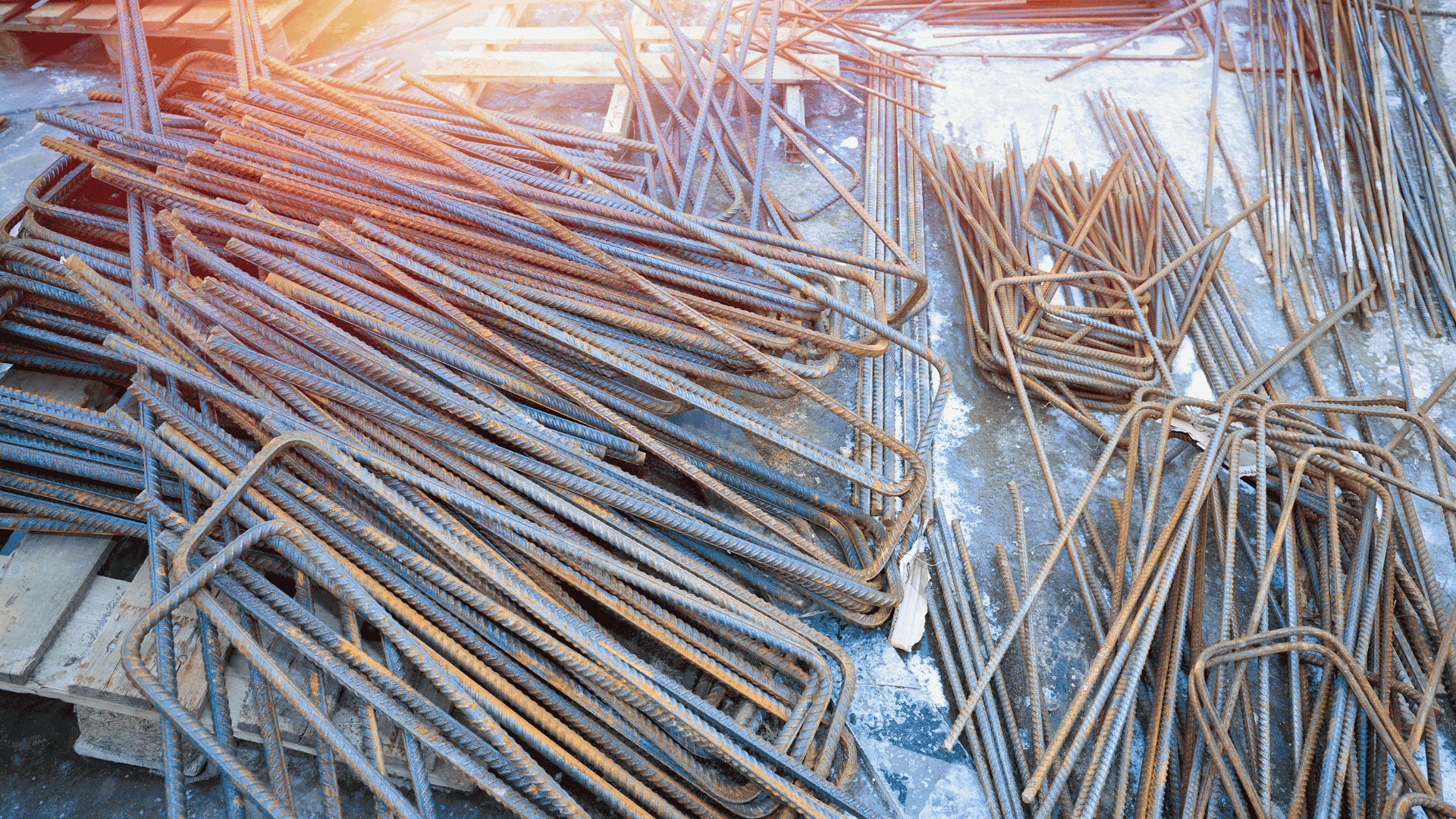
When steel arrives on site, especially reinforcement TMT bars and structural sections, systematic checks help catch substandard material before it becomes concrete‑bound.
Use this checklist as a quick acceptance guide for deliveries and quality verification.
1. Documentation & Traceability Checks
-
Grade & Standard Verification
Confirm the bars are marked with the correct grade (Fe 500D/550D) as specified in your procurement order. Check that the markings comply with IS standards, such as IS 1786. The absence of, or a mismatch in marking or certificates, is a red flag.
-
Mill Test Certificates (MTC)
Ensure that an MTC accompanies each batch, showing the chemical and mechanical test results. Match batch/lot numbers on the certificate with bundle tags; discrepancies suggest quality control issues.
2. Visual & Surface Checks
-
Brand & Grade Embossing
Look for clear, uniform embossing of the manufacturer's name and grade. Faint or missing markings often indicate poor quality or repacked stock.
-
Rib Consistency
Ribs should be evenly spaced, continuous, and symmetrical along the bar's length. Irregular or shallow ribs can affect concrete bonding and performance.
-
Surface Condition
Mild surface oxidation from transit is acceptable. However, deep rust pits, flaking corrosion, dents, or cracks indicate poor storage or inferior material quality.
3. Measurement & Size Confirmation
-
Diameter & Weight Checks
Randomly measure bar diameters with a Vernier calliper - e.g., a 12 mm bar should measure 12 mm ± tolerance. Use a sample weight comparison with standard weight charts for the specified grade. Deviation beyond tolerance suggests corner‑cutting by the supplier.
4. Simple On‑Site Physical Tests
-
Bend / Ductility Check
A basic bend test at a standard angle (as per site practice) helps check ductility and fracture behaviour. High‑quality steel bends smoothly without cracking; brittle breakage or flaking indicates substandard material.
Note: Follow site safety protocols when performing physical tests.
5. Cross Verification & Delivery Matching
-
Bundle Quantity vs Bill of Materials
Verify the quantity of bars and lengths delivered against the challan and approved BBS (Bar Bending Schedule). Mismatches sometimes hide substitution of lower‑quality inventory.
-
Manufacturer Trace
Confirm the supplier and manufacturer are approved and traceable; unknown sources or proxies are more likely to supply an inconsistent product.
Pro Tip for Buyers in South India: For large orders in Andhra Pradesh, Telangana, or Karnataka, document this checklist in your delivery acceptance sheet. Consistent use reduces disputes, rejections, and costly onsite rework - especially in high‑volume procurements for slabs, beams, and structural framing.
A disciplined spot checklist ensures you catch issues before the material is fixed, giving you control over quality, scheduling, and compliance.
Suggested Read: Buying construction steel online turns ecommerce platforms into a trendsetter
Why Traditional Dealers Are Riskier and How Digital Marketplaces Help
In India's steel procurement ecosystem, traditional dealers and intermediaries remain the default option for many contractors and fabricators. However, working through multiple middlemen can introduce hidden risks and inefficiencies.
These include inconsistent supply reliability, opaque pricing, and weak accountability when quality disputes arise.
| Risk Category | What Happens | Impact on Project |
|---|---|---|
|
Opaque Pricing |
Dealers often quote different rates offline and lack real‑time transparency |
Hard to compare suppliers; price swings not visible in advance |
|
Middlemen Layers |
Multiple intermediaries dilute accountability |
If quality issues arise, tracing responsibility is slow |
|
Unverified Inventory |
Dealers may mix brands or substitute without clear documentation |
Higher risk of low-quality or incorrectly graded deliveries |
|
Fragmented Communication |
Negotiations and updates happen over calls or texts |
Miscommunication leads to delays and disputes |
|
Limited Visibility into Delivery Status |
No real‑time updates |
Hard to plan logistics or anticipate late arrivals |
Each of these challenges contributes to supplier risk management concerns, where uncertainty in delivery, quality, and pricing can directly affect project timelines and budgets.
Effective supplier risk management, understanding supplier reliability and visibility into operations is crucial to reducing these vulnerabilities.
With a clearer understanding of the risks in traditional procurement, here’s what you should do if you suspect low-quality steel has been delivered to your site.
What to Do When You Suspect You’ve Received Low Quality Steel
When steel arrives, and you have a strong reason to believe it doesn't meet the ordered quality (e.g., missing documentation, visible defects, failed spot tests), acting decisively helps protect your schedule and budget.
Here’s a practical on‑site action plan you can follow the moment doubts arise:
1) Stop Work on the Affected Material
Halt any placement or embedding of the suspect steel immediately. Isolate the delivery from other batches to prevent accidental use. This prevents downstream rework.
2) Document the Issue Systematically
Take photos and videos of markings, surface defects, bend test results, and any deviations. Record measurements (e.g., diameters, weights) and prominently label the delivery challan number. Use a standardised site quality form to log the discrepancies.
3) Cross‑Verify Against Contract/PO Specifications
Compare the delivery receipt against your purchase order, grade specs (Fe 500D / 550D), and Mill Test Certificates (MTC). Note any grade mismatches, missing certificates, or inconsistent batch numbers.
4) Communicate with the Supplier Immediately
Raise a formal quality exception with the supplier in writing (via email or a portal notification). Share your documented discrepancies and request corrective action, either replacement or a documented explanation.
5) Reject or Quarantine the Delivery, If Justified
If certification is missing or visual/field checks clearly fail the minimum acceptance criteria, refuse acceptance on the delivery challan. In many state contract practices (e.g., Andhra Pradesh, Telangana, Karnataka), a signed acceptance waives quality objections.
6) Arrange Independent Verification (Optional but Effective)
For large batches, consider third‑party lab verification for mechanical properties, chemical composition, and ductility. Independent reports provide authoritative evidence if disputes escalate.
7) Replace & Reschedule Early
Initiate replacement orders before unloading other materials to avoid schedule cascading effects. Confirm the new delivery timelines and certification before cancelling or returning suspect material.
Follow this blueprint when quality doubts arise, and you'll reduce risk while maintaining control over project delivery outcomes.
Why Choose SteelonCall for High-Quality Steel Sourcing?
SteelonCallis an online steel marketplace built for construction and fabrication businesses that need dependable, project-ready steel. We specialise in providing verified steel sourcing through a streamlined digital marketplace, catering to contractors, builders, fabricators, and project teams.
Especially in demanding construction environments across Andhra Pradesh, Telangana, and Karnataka, SteelonCall offers unparalleled benefits in steel quality, delivery reliability, and cost efficiency.
Here's why SteelonCall is the ideal choice for your steel sourcing:
-
Verified Supplier Network for Consistent Quality
SteelonCall partners with 250+ verified suppliers who meet strict quality standards. This ensures that the steel you receive always matches the grade and specifications promised, eliminating the risk of receiving substandard or counterfeit material.
-
Direct Access to Trusted Manufacturers
Buyers on SteelonCall can directly source steel from top-tier manufacturers like Vizag Steel, ensuring brand authenticity and consistent grade supply. This access reduces the reliance on middlemen and ensures high-quality steel with no substitutions.
-
Regional Expertise and Focus
With a strong regional presence in Andhra Pradesh, Telangana, and Karnataka, SteelonCall understands local demand patterns and offers faster, more reliable deliveries. This regional focus improves coordination and minimises delays.
-
Bulk and Custom Order Support
Whether you're ordering large quantities or specific custom grades for your project, SteelonCall is equipped to handle it. Our platform is designed to support bulk orders and accommodate specialised grade requirements.
-
End-to-End Logistics Coordination
From order placement to on-site delivery, SteelonCall manages logistics to minimise risk and ensure timely delivery. Our coordination between suppliers and buyers simplifies the process, providing predictable and efficient delivery schedules.
SteelonCall offers a one-stop digital marketplace that connects buyers directly with verified suppliers and trusted manufacturers, making steel sourcing more reliable and efficient.
Conclusion
Identifying and avoiding low-quality steel is critical for maintaining project integrity, reducing costs, and ensuring timely delivery. By understanding the signs of substandard material, you can make informed procurement decisions that protect your project.
A systematic approach to steel sourcing and acceptance can prevent costly rework, schedule disruptions, and safety risks. To ensure that your project uses only high-quality steel, sourcing from a verified supplier is essential.
SteelonCall provides direct access to trusted manufacturers, like Vizag Steel, and a streamlined process for sourcing TMT Bars 500D/550D. Start securing reliable, certified steel for your next project by checking TMT bar availability and pricing today.
FAQs
1. How reliable is a Mill Test Certificate (MTC) in proving steel quality?
An MTC links a steel batch to its tested chemical and mechanical properties, including tensile strength and composition. Always match the heat number/lot on the certificate to the delivered bundles. Mismatches can be a strong indicator of quality issues.
2. Can simple tests like spark or magnet tests help verify steel quality on site?
Yes. A quick spark pattern test during grinding or a magnet check can indicate whether the material type roughly matches expectations, but these are preliminary checks and should be combined with certification and dimensional verifications to ensure accuracy.
3. Why do some delivery batches show correct markings but still perform poorly
Markings alone aren't enough. Poor batching, incorrect heat treatment, and mismatched dimensions can still occur if documentation is forged or certificates are reused. Verification against batch/heat numbers and supplier traceability is essential.
4. Does lighter or heavier rebar weight always mean better or worse quality?
Not always, but a significant deviation from the standard unit weight for a given diameter can indicate undersized or stripped material, which can compromise load‑bearing capacity and performance in structural applications.
5. What's the difference between substandard steel and counterfeit steel?
Substandard steel fails to meet technical property requirements despite being legally manufactured, while counterfeit steel deliberately misrepresents brand, grade, or certification. Both pose risk, but counterfeit materials also carry traceability and legal issues.
Need a price for your requirement?
Share your grade, diameter and quantity — our steel experts come back with a live quote and delivery timeline.