
SteelonCall Journal
Metal Roof vs Shingles in Hot Climates: Find the Right Choice
Explore the pros and cons of metal roof vs shingles in hot climates. Get insights on durability, cost, and availability with SteelonCall’s verified suppliers.
Steeloncall
20 January 2026 · 13 min read
On this page
- Key Takeaways:
- A Quick Answer: Metal Roof vs Shingles in Hot Climates
- How Hot Climate Conditions Affect Roofing Performance
- Metal Roof vs Shingles: Head‑to‑Head Comparison
- Practical Decision Factors for Builders & Project Managers
- Choosing Roofing Material for Hot Climates in South India
- How SteelonCall Supports Smart Roof Material Sourcing
- Conclusion
- FAQs
The selection of a roofing material is a key deciding factor for the project's success. For contractors, builders, and project managers, delays, fluctuating prices, and the constant fear of receiving substandard materials are daily sources of stress.
The wrong choice can lead to serious issues, whether it's constant repairs or skyrocketing cooling costs due to poor heat performance. But the right roofing solution for hot climates can help you avoid these headaches.
This blog will guide you through the critical factors to consider when choosing between a metal roof vs shingles in hot climates. By the end, you'll understand how to make a smart, reliable decision that not only ensures the longevity of your roof but keeps your project on track and within budget.
Key Takeaways:
-
Metal roofs outperform shingles in hot climates by reflecting more solar energy, reducing cooling costs, and improving indoor comfort.
-
Reflective coatings on metal roofs can reduce cooling energy consumption and lower surface temperatures, which are crucial for reducing HVAC load.
-
Metal roofs significantly outlast shingles, reducing long-term maintenance and re-roofing costs.
-
Heat absorption in shingles leads to higher internal temperatures, while metal roofs with high reflectivity minimise heat gain and maintain cooler interiors.
-
Metal roofing materials offer superior durability, energy efficiency, and long-term cost savings, making them ideal for projects in hot climates.
A Quick Answer: Metal Roof vs Shingles in Hot Climates
In hot climates, metal roofing generally outperforms traditional shingles in heat management, durability, and long‑term performance. Metal roofs reflect more solar energy and transfer less heat into the building below, while shingles absorb heat and can transfer it into the structure, increasing cooling demands.
For project sourcing decisions, especially large commercial or industrial work in South India's heat (e.g., Andhra Pradesh, Telangana, Karnataka), this means metal roofing often delivers better lifecycle value, lower maintenance frequency, and more predictable performance in sustained high temperatures.
-
Heat Reflection: Metal roofs reflect more sunlight, helping keep indoor spaces cooler and reducing cooling loads. Shingles tend to absorb and reradiate heat.
-
Durability: Metal roofs can last significantly longer (often decades longer) than shingles under intense sun exposure, reducing re‑roofing cycles.
This quick comparison sets the stage for deeper analysis in the following sections, helping you choose the best roofing material for your project goals and site conditions.
Suggested Read: Why is steel the most using metal in industries?
How Hot Climate Conditions Affect Roofing Performance
In hot climates, roofing materials are exposed to intense solar radiation and high surface temperatures for prolonged periods. How a roof responds to this heat directly influences indoor temperatures, cooling energy use, and the lifespan of the roofing system.
Research by the US Department of Energy shows that surfaces with high solar reflectance can reduce annual air‑conditioning energy use up to 15% compared to conventional dark roofs.
Two physical properties drive this performance:
-
Solar Reflectance (Albedo): This measures how much solar energy a roof surface reflects. High-reflectance materials reflect more heat back into the atmosphere than they let through the roof into the building interior.
-
Thermal Emittance: This measures how well a material releases absorbed heat. High emissivity helps the surface cool faster after peak sun exposure.
Together, these properties determine how much heat a roofing system blocks from entering the structure. It's a key practical factor in hot regions such as Andhra Pradesh, Telangana, and Karnataka, where peak daily temperatures and solar loads are high and cooling loads are a major consideration.
Heat Absorption vs Reflection
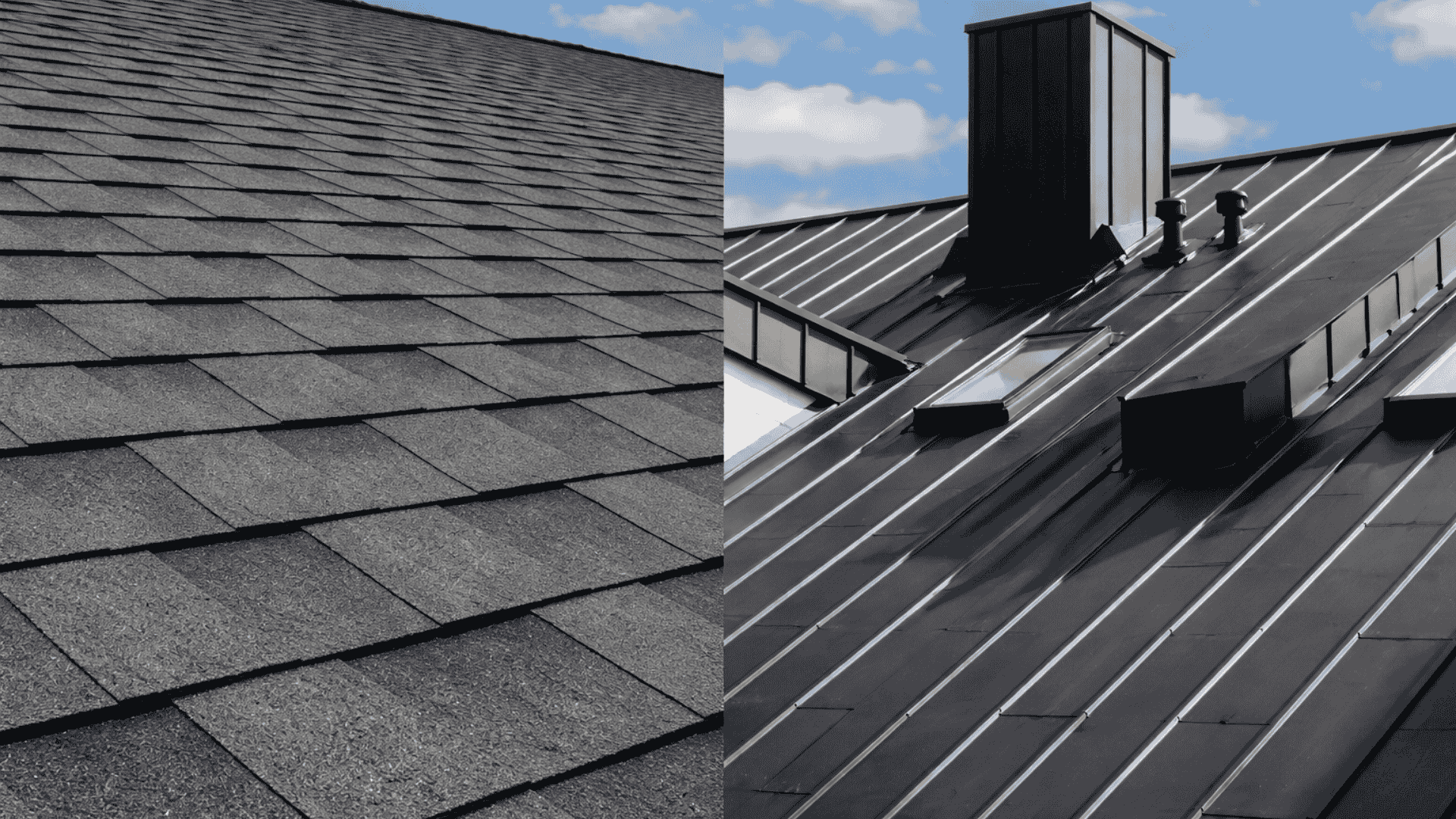
Roof surfaces behave differently under a blazing sun. Dark asphalt shingles tend to absorb a significant portion of solar energy, increasing surface temperatures and transferring heat inward. In contrast, roofing materials designed with cooler surfaces or high reflectance can reflect much more solar radiation away from the building.
-
For example, materials with appropriate reflectance can have surface temperatures much closer to ambient air temperature, whereas dark absorptive surfaces can exceed ambient temperature by large margins.
-
Several controlled comparisons in practical tests have shown that reflective roof systems can reduce cooling energy consumption by 18–26% and peak electrical demand by 28–35% in hot climates when compared to standard roofing systems.
These figures are based on temperature measurement studies in which painted reflective metal roofs were tested under summer conditions.
Durability & Thermal Stress
High surface temperatures affect not just energy use but material degradation over time. Prolonged exposure to solar heat and UV radiation can make asphalt shingles become brittle, crack, or warp sooner than expected, especially in consistently hot conditions.
In contrast, roofing materials that reflect more solar energy than they absorb are subjected to less thermal stress over time, which can reduce premature ageing and extend service life.
This durability difference has important implications for maintenance cycles and lifecycle cost planning, which are critical considerations for project budgets and schedules in South India's hot climate conditions.
Now, let's look at a more detailed comparison of metal roofs and shingles.
Metal Roof vs Shingles: Head‑to‑Head Comparison
Here's a comparison for contractors, builders, and project managers to help decide which roofing material is more suitable for hot-climate performance and real‑world project outcomes.
This quickly assesses key decision factors, including heat performance, durability, lifecycle costs, and maintenance, all from a sourcing and project standpoint.
| Factor | Metal Roof | Shingles (Asphalt) | Why It Matters for Your Project |
|---|---|---|---|
|
Heat Reflection |
Reflects a high percentage of solar energy; reflective coatings maintain much of this capacity over time |
Absorbs most sunlight (low reflectivity), especially dark shingles |
Lower heat transfer reduces cooling loads and keeps interior spaces cooler under heat stress. |
|
Cooling Energy Impact |
Can reduce cooling energy use and peak electrical demand in hot climates |
Limited cooling benefit; typical shingles absorb heat and transfer it inward |
Impacts HVAC load planning and operating costs on projects with conditioned spaces. |
|
Surface Temperature |
Roof surface stays much closer to ambient temperature under the sun when reflective coatings are used |
Can exceed ambient by large margins due to heat absorption |
High surface temps increase material stress and interior heat gain - important for material longevity and energy planning. |
|
Lifespan |
Often 40–70+ years with appropriate coatings and maintenance |
Typically, 15–25 years before replacement is needed |
Fewer re‑roofing cycles mean less disruption and better long‑term budgeting for long‑running projects or facilities. |
|
Maintenance Cycle |
Long cycles, retains reflectivity better |
Reflectivity and performance degrade faster |
Longer maintenance intervals reduce the need for unexpected site interventions. |
|
Fire & Weather Resistance |
Class‑A fire rating available; strong resistance to wind and weather with proper installation |
Varies by shingle type; often lower fire/weather performance than metal |
Impacts safety requirements and insurance considerations on commercial and industrial sites. |
|
Installation Weight |
Lightweight & can often be installed over existing roof structure |
Heavier per unit area as shingles and layered systems |
Affects structural design decisions and installation scheduling. |

Now that you have a clearer understanding of the core differences, let's explore the practical decision factors that will guide your material selection for optimal performance and cost-effectiveness in hot climates.
Practical Decision Factors for Builders & Project Managers
When choosing between metal roofs and shingles for projects in hot climates, it's important to weigh how each option performs on site, not just in theory. Roofing decisions affect energy use, maintenance schedules, cost planning, and long‑term durability.
The following decision factors will help you evaluate roofing choices based on measurable performance characteristics and project priorities.
1. Solar Reflectance & Thermal Performance
Roof surfaces with high solar reflectance bounce more heat away from the building, reducing heat transfer into interior spaces. Materials with both high reflectance and high thermal emittance stay cooler under sustained sun exposure, decreasing cooling demand.
2. Heat Flux & Roof‑to‑Interior Heat Transfer
The amount of heat that moves through a roof into the building interior, known as heat flux, directly affects cooling energy demand, occupant comfort, and conditioned space efficiency.
3. Durability & Lifecycle Planning
Roofing materials in hot climates must withstand thermal cycling and UV degradation. Prolonged heat exposure can age and embrittle conventional roofing materials such as asphalt shingles, potentially reducing their effective service life.
4. Energy Use & Operating Cost Impacts
Reducing heat transfer through the roof doesn't just affect comfort. It reduces ongoing energy costs. For projects with conditioned spaces or planned HVAC loads, this translates into lower operating expenses, which should be part of the lifecycle cost evaluation.
5. Procurement, Supply & Bulk Ordering Considerations
Beyond material performance, practical sourcing and logistics play a major role in procurement decisions:
-
The availability of materials in large quantities, with consistent quality and delivery timelines, can be as important as technical performance data.
-
Materials like metal roofing panels or coated roofing sheets may vary in lead time and cost depending on the supply chain and market conditions. Securing competitive bulk pricing and on‑time delivery should be factored into material choice.
By combining performance metrics with reliable sourcing plans, teams can better align project schedules and budget forecasts, especially for larger roof areas where supply consistency is critical.
Next, let's turn to how these considerations play out in South India's unique climate, ensuring your roofing choice is the best fit for the region.
Choosing Roofing Material for Hot Climates in South India
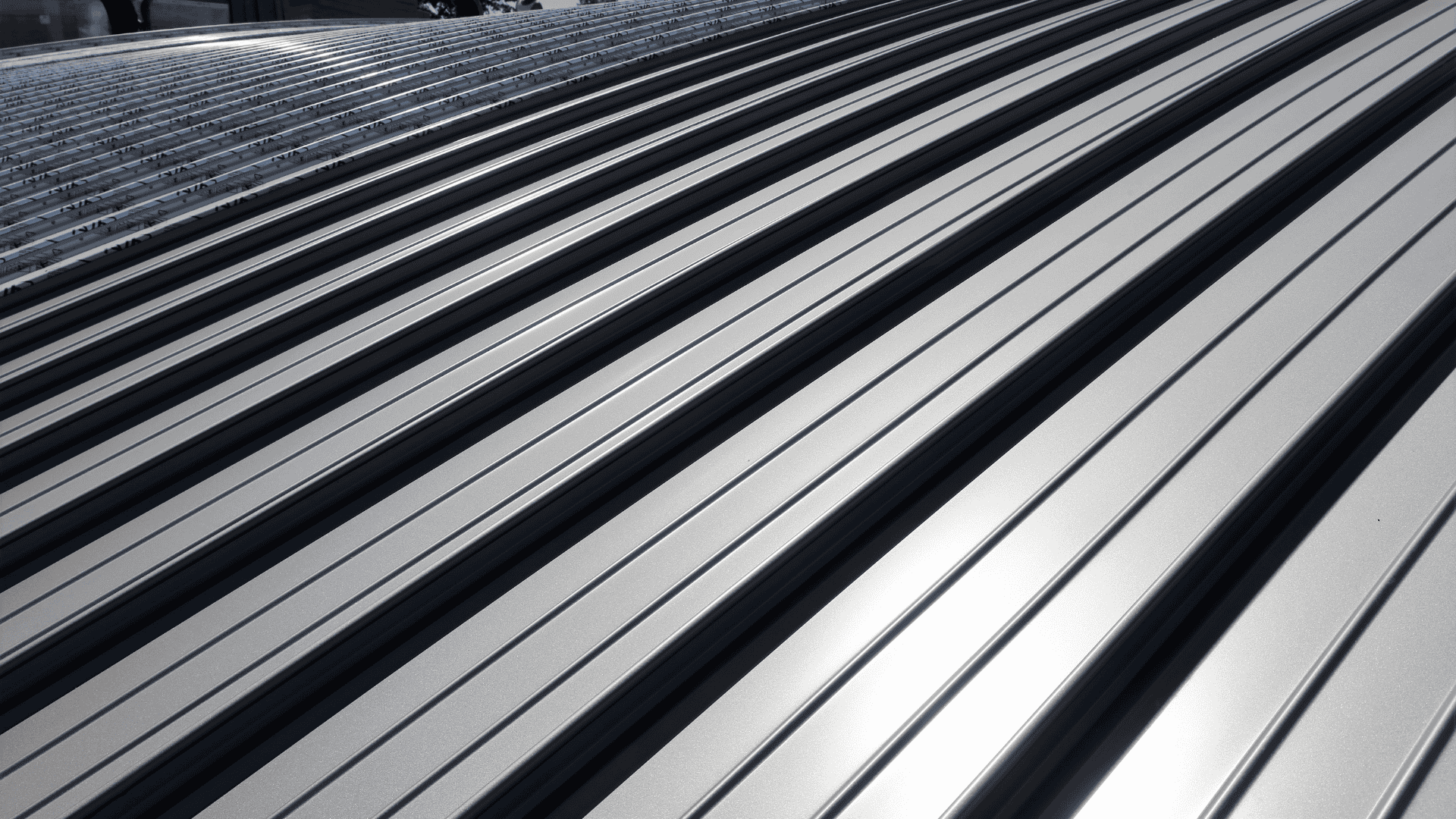
In regions like Andhra Pradesh, Telangana, and Karnataka, roofing decisions must respond to intense solar exposure, sustained high temperatures, and long cooling seasons.
Choosing the right material can materially affect interior heat gain and cooling energy needs, findings that are especially relevant in tropical to hot dry climate zones.
Here are region‑specific considerations to inform practical procurement and planning decisions.
1. Target High Solar Reflectance & Thermal Emittance
Roof materials with high solar reflectance and thermal emittance reduce heat absorption and quickly release absorbed energy, keeping the surface cooler under intense sun.
In hot Indian climates, cool roof applications have demonstrated average reductions in indoor temperature and energy use, partly by reducing peak roof temperatures.
-
What to specify:
Aim for materials or coatings with high reflectivity (e.g., SRI above industry norms) to perform better under sustained heat loads.
2. Consider Cooling Energy Impact at Scale
Studies in hot regions show cool roofs can reduce cooling energy consumption by up to26% compared to conventional roofs, especially when combined with appropriate insulation.
-
What this means for projects:
For conditioned spaces, reduced cooling loads translate into smaller HVAC sizing, lower operating costs, and improved occupant comfort.
3. Roof Surface Temperature Performance
Reflective roofing strategies can cut roof surface temperatures by several degrees compared to non‑reflective surfaces.
-
Contractor focus:
Lower surface temperatures help protect the roof assembly's structural integrity by reducing thermal stress, which otherwise accelerates material degradation.
4. Align Material Choice with Building Use
Different project types, such as industrial sheds, warehouses, commercial buildings, or residential complexes, have varying sensitivity to heat gain.
For example, in industrial or large‑span buildings, roof thermal performance directly affects internal process conditions, worker comfort, and overall energy efficiency over the facility's life.
-
Actionable tip:
Select roofing materials that match not just the climate but also the building's function and occupancy patterns.
5. Plan for Maintainability in Hot, Dusty Climates
Reflective performance can diminish with surface soiling common in dry, dusty environments. Maintenance affects long‑term thermal performance because soiling reduces albedo over time.
-
Practical guidance:
Develop maintenance plans for roofing surfaces that include periodic cleaning or recoating to maintain reflectance and thermal benefits throughout the roof's lifecycle.
Having understood the key considerations, it's now time to explore how to secure the best roofing materials through reliable sourcing, like SteelonCall, to meet your project needs.
How SteelonCall Supports Smart Roof Material Sourcing
SteelonCall is an online steel marketplace designed for construction and fabrication businesses that need reliable, project-ready material sourcing.
For projects in hot climates such as Andhra Pradesh, Telangana, and Karnataka, where roofing performance is critical, SteelonCall's model ensures dependable access to high-quality materials and on-time delivery.
Here's why SteelonCall is the right choice for sourcing roofing materials:
-
Verified Supplier Network for Quality Assurance
SteelonCall partners with a network of verified suppliers who adhere to strict quality and compliance checks. This reduces the risk of receiving off-grade materials that may degrade faster in the harsh heat of hot climates.
-
Direct Access to Trusted Manufacturers
SteelonCall provides direct access to top-tier manufacturers like Vizag Steel and other leading brands, ensuring brand authenticity and consistent material quality. This is important where specific grades and high performance are essential.
-
Strong Regional Presence in Hot Climate Areas
With a strong presence in Andhra Pradesh, Telangana, and Karnataka, SteelonCall has a deep understanding of local demand and the specific needs of hot climate projects. This regional expertise ensures better coordination and smoother delivery.
-
Support for Bulk and Custom Orders
Roofing projects often require bulk orders or custom sizes to match project specifications. SteelonCall's marketplace supports large-scale orders and custom grade requests, helping project teams align procurement with construction timelines.
-
End-to-End Logistics Coordination
SteelonCall's logistics team handles the entire supply chain, from supplier dispatch to site delivery. This reduces handling risks, ensures timely delivery, and improves coordination, crucial for roofing projects where delays can disrupt site schedules.
By providing access to trusted brands, bulk ordering capabilities, and reliable logistics, SteelonCall's marketplace simplifies procurement for construction and fabrication businesses in hot climates.
Conclusion
Choosing the right roofing material for hot climates is a critical decision that affects long-term performance, energy use, and maintenance costs. Metal roofs generally outperform shingles in areas like heat reflection, durability, and energy savings, making them ideal for projects in regions like Andhra Pradesh, Telangana, and Karnataka.
By focusing on factors like solar reflectance, cooling efficiency, and lifecycle costs, you can make an informed decision that ensures your project's success. SteelonCall offers reliable sourcing for metal roofing materials with verified suppliers and direct access to top brands like Vizag Steel.
If you're ready to make the right roofing choice for your next project, check SteelonCall's latest prices and availability on roofing sheets today. Ensure your roofing solution performs optimally and arrives on time, every time.
FAQs
1. Will a metal roof surface get hotter than shingles under strong sunlight?
Yes. Metal roofs can reach high surface temperatures under direct sun, but they reflect more solar radiation and release heat faster than standard shingle roofs, reducing heat transfer into the building.
2. Does roof colour matter when comparing metal vs shingles in hot climates
Absolutely. Light‑colored metal roofs reflect more solar energy, helping keep interior spaces cooler. Even dark metal reflects more heat than dark asphalt shingles, especially when paired with proper insulation.
3. Can reflective coatings on metal roofs improve performance in heat?
Yes. Coatings and cool‑paint applications can significantly boost reflectivity. Research shows properly coated metal roofs can reflect up to 70% of solar radiation, helping cut cooling loads.
4. Do metal roofs require special design details to maximise heat control?
Yes. Combining reflective metal roofs with ventilation and insulation significantly improves performance by reducing heat conduction into the structure, which is essential in hot climates.
5. Are reflective shingles worth considering if I prefer shingle aesthetics?
Reflective shingles exist, but their solar reflectance remains limited relative to high‑reflectance cool roofing surfaces. As a result, performance gains are typically smaller than with reflective metal systems.
Need a price for your requirement?
Share your grade, diameter and quantity — our steel experts come back with a live quote and delivery timeline.