
SteelonCall Journal
How to Prevent Steel Shipping Fraud in Construction Projects
Steel shipping fraud is costing contractors time and money. Learn how to spot delivery risks early and prevent steel fraud before unloading.
Steeloncall
19 January 2026 · 17 min read
On this page
- At a Glance
- What Is Steel Shipping Fraud?
- Where Steel Shipping Fraud Enters the Supply Chain
- Common Types of Steel Shipping Fraud Seen on Indian Sites
- The Three-Stage Steel Shipping Fraud Prevention Framework
- Steel Documents Most Commonly Manipulated During Shipping
- Early Warning Signs of Steel Shipping Fraud
- What to Do If You Suspect Steel Shipping Fraud
- How SteelonCall Helps Reduce Steel Shipping Fraud Risk
- Conclusion
- FAQs
Steel movement across India has reached unprecedented levels. As per the Ministry of Steel, Government of India, finished steel consumption stood at around 150 million tonnes in FY 2024–25, reflecting the sheer volume of steel being dispatched daily to infrastructure, real estate, and industrial projects across the country.
With this scale of movement, the risk for contractors and project teams no longer ends at finalising the supplier or negotiating price. A significant part of the risk now lies after steel leaves the supplier’s yard.
In practical terms, higher steel volumes mean more trucks on the road, tighter delivery timelines, multiple handling points, and increased dependence on transport coordination. Each of these creates opportunities for errors, substitutions, short deliveries, and document mismatches that directly impact site execution.
In 2025, steel shipping fraud has become a delivery and site-control challenge, not just a commercial one. When the wrong steel reaches the site, or the right steel arrives in the wrong quantity or grade, the consequences are immediate. Work slows down, quality questions arise, and disputes begin only after material has already been unloaded.
This is why preventing steel shipping fraud today is critical for protecting project schedules, material integrity, and cost control. The sections that follow explain what steel shipping fraud actually is, where it enters the supply chain, and how it can be prevented through disciplined checks at every stage of delivery.
At a Glance
-
Steel shipping fraud mostly occurs after dispatch, not at the time of purchase. Contractors face the highest risk during transport and site unloading.
-
Common steel shipping frauds include brand substitution, grade downgrade, short quantity delivery, weight manipulation, truck diversion, and fake or reused test certificates.
-
Fraud enters the supply chain at handover points such as dispatch from the supplier yard, transport coordination, and rushed site unloading, where verification is skipped.
-
A three-stage prevention approach works best: locking material details before dispatch, maintaining control during transit, and verifying steel before signing delivery acceptance.
-
Documents alone are not enough. Invoices, challans, e-way bills, and test certificates must always be matched against the physical steel delivered at site.
-
Early warning signs like delivery urgency, inconsistent communication, vague material descriptions, and reliance on verbal assurances should never be ignored.
-
If fraud is suspected, acceptance must pause immediately. Isolating material, documenting evidence, and escalating formally protects both project timelines and commercial interests.
-
Verified sourcing, disciplined dispatch, coordinated logistics, and transparent pricing significantly reduce steel shipping fraud risk, helping contractors protect quality, schedules, and cost control.
What Is Steel Shipping Fraud?
Steel shipping fraud refers to any manipulation, substitution, or loss of steel that occurs after dispatch and before or during site unloading, resulting in the buyer receiving material that does not fully match what was confirmed or billed.
Unlike payment fraud, where money is lost upfront, steel shipping fraud is more subtle. The payment may be correct, the invoice may look valid, and the delivery may appear routine. The problem lies in what actually reaches the site.
In steel supply chains, fraud typically occurs when:
-
the steel dispatched is not the same as the steel received, or
-
the quantity, grade, or brand changes during transit or delivery, or
-
documents presented at unloading do not accurately reflect the material delivered.
Steel is particularly vulnerable to shipping-stage fraud because many critical attributes are not immediately obvious. Bars of different grades can look identical. Substituted brands may carry similar markings. Short quantities are easy to miss when unloading happens under time pressure. Once steel is stacked or consumed, correcting the issue becomes difficult and expensive.
Another reason steel shipping fraud persists is timing. Site teams are focused on unloading quickly to avoid delays. Verification is often postponed until later, by which time delivery acknowledgements have already been signed and disputes become harder to resolve.
In simple terms, steel shipping fraud is not about dishonest paperwork alone. It is about loss of control over material identity between dispatch and acceptance. Understanding this distinction is essential before looking at where fraud enters the supply chain and how it can be prevented.
Where Steel Shipping Fraud Enters the Supply Chain
Steel shipping fraud does not occur at a single point. It enters the supply chain at specific handover moments, where control shifts and verification weakens. Understanding these entry points is critical because most losses happen not due to one big failure, but due to small gaps across stages.
After Dispatch From the Supplier Yard
Once steel is loaded and leaves the supplier’s yard, the buyer’s direct visibility reduces sharply. At this stage, fraud can enter if:
-
the dispatched material is not fully verified against the confirmed order,
-
loading supervision is weak or absent, or
-
dispatch documentation is prepared without physical cross-checks.
If brand, grade, or quantity is not locked clearly at dispatch, downstream verification becomes reactive instead of preventive.
During Transport and Handover
The transit phase introduces multiple risk points, especially when steel changes hands between drivers, transport coordinators, or yards. Fraud commonly occurs when:
-
trucks are rerouted or delayed without documented reasons,
-
partial unloading occurs before reaching the final site, or
-
delivery communication is handled informally through calls or messages without traceability.
Because steel is bulky and high value, even small diversions during transit can result in significant losses that are hard to prove later.
At Site Unloading Under Time Pressure
The final and most overlooked entry point is site unloading. This is where fraud often goes undetected, not because checks are impossible, but because urgency takes over. Common conditions that allow fraud to pass through include:
-
unloading outside normal working hours,
-
pressure to clear trucks quickly, and
-
reliance on paperwork without physical verification.
Once unloading begins and acknowledgements are signed, the opportunity to challenge discrepancies reduces drastically.
In most cases, steel shipping fraud is not caused by a single dishonest act. It enters the supply chain where verification responsibility is unclear, rushed, or assumed.
Common Types of Steel Shipping Fraud Seen on Indian Sites
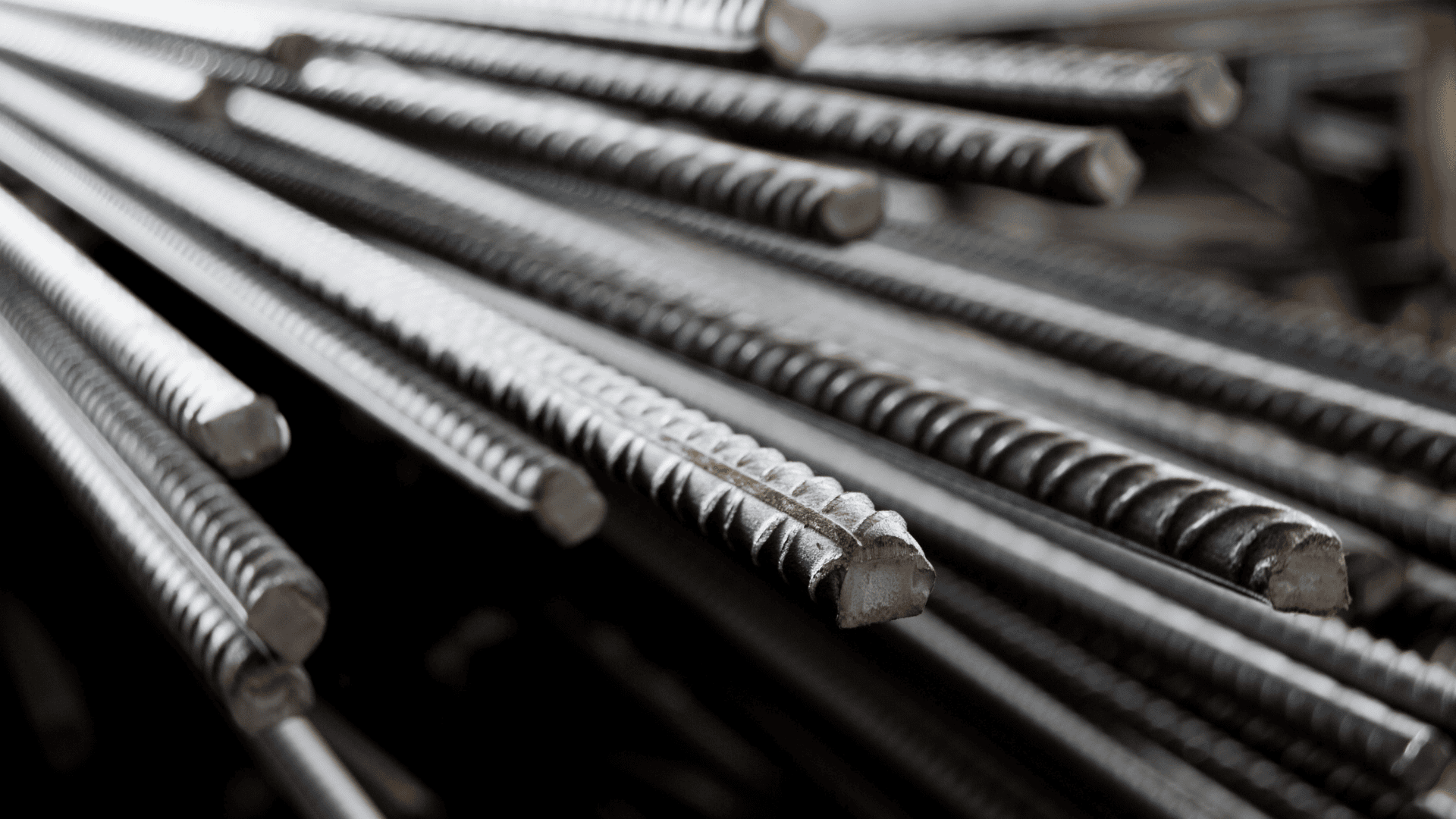
Once steel passes through multiple hands and reaches the site, fraud does not appear as a single pattern. It shows up in distinct, repeatable forms that contractors across projects encounter regularly. Recognising these types early helps site teams know what to look for, not just where to look.
-
Brand Substitution: Material delivered carries a different brand than what was confirmed, often with similar paint colour, tags, or bundle wrapping. In some cases, original tags are removed or replaced. Because unloading is rushed, brand embossing on bars or markings on sections are not checked carefully, allowing substitution to pass unnoticed.
-
Grade Downgrade: Lower-grade steel is supplied instead of the specified grade. This is common in TMT bars where Fe 500 may be delivered in place of Fe 500D or Fe 550D. Since visual differences are minimal, grade mismatch is usually discovered only during testing or structural review, long after unloading.
-
Short Quantity Delivery: Fewer bundles, pieces, or lengths are delivered than invoiced. This can happen through partial offloading before arrival or incorrect bundle counts during dispatch. When site teams rely on paperwork instead of physical counting, shortages surface later during stock reconciliation.
-
Weight Manipulation: The tonnage billed does not match the actual material received. Differences between origin weighment and actual quantity delivered are explained away as tolerance issues, especially when destination weighment is skipped or ignored.
-
Truck Diversion: The same vehicle carrying steel is used to unload material at another location before reaching the intended site. This type of fraud is difficult to detect unless dispatch details, route discipline, and delivery timing are monitored closely.
-
Fake or Reused Test Certificates: Test certificates are reused across multiple deliveries, altered to match invoices, or issued for a different heat or batch. Since certificates are often checked only during billing or audit, mismatches go unnoticed at site.
-
Document Quantity and Description Mismatch: Invoices, delivery challans, and supporting documents show correct values on paper, but descriptions, sizes, or quantities do not align fully with the material unloaded. These discrepancies are often overlooked when unloading is prioritised over verification.
Each of these fraud types may seem minor in isolation. Together, they lead to quality risks, material shortages, billing disputes, and schedule delays.
Also Read:Your Ultimate Destination for Quality Steel Plates
The Three-Stage Steel Shipping Fraud Prevention Framework
Preventing steel shipping fraud does not require complex systems or heavy paperwork. What it requires is discipline at the right moments. The most effective control is a simple three-stage framework that aligns with how steel actually moves from source to site.
Each stage focuses on a different risk window and assigns clear responsibility.
Stage 1: Controls Before Dispatch
This stage determines whether fraud is prevented or merely discovered later.
Before steel leaves the supplier’s yard, the following must be clearly locked:
-
Material identity, including brand, grade, size, and quantity
-
Dispatch confirmation against the final order details
-
Truck details including vehicle number and expected delivery timeline
-
Supporting documents prepared based on actual material loaded, not assumptions
At this stage, the objective is not speed. It is a certainty. Any ambiguity before dispatch almost always becomes a dispute after delivery.
Stage 2: Controls During Transit
Once steel is on the road, physical control reduces, and process control becomes critical.
During transit, fraud prevention depends on:
-
maintaining a single, authorised delivery location,
-
avoiding informal changes to route or timing, and
-
ensuring delivery communication follows a clear escalation path rather than ad-hoc calls.
The goal here is not to monitor every kilometre, but to prevent unauthorised handovers or partial unloading that compromise quantity and material integrity.
Stage 3: Controls at Site Unloading
This is the final opportunity to prevent loss.
At site, checks must happen before acceptance, not after unloading is complete. This stage focuses on:
-
verifying delivered material against confirmed details,
-
physically checking markings and bundle counts, and
-
ensuring documents match what is actually received.
Once acknowledgement is signed and material is consumed, the leverage to correct issues drops sharply.
The strength of this framework lies in its simplicity. Each stage addresses a different risk, and together they create continuity of control from dispatch to acceptance.

Steel Documents Most Commonly Manipulated During Shipping
Steel shipping fraud often passes through not because documents are missing, but because they are accepted without scrutiny. Certain documents are more vulnerable to manipulation than others, especially when checks are delayed until after unloading.
Understanding which documents carry the highest risk helps site and project teams focus their attention where it matters most.
Test Certificates
Test certificates are among the most frequently misused documents in steel deliveries. Common issues include:
-
certificates reused across multiple deliveries,
-
heat or batch numbers that do not match the delivered material, and
-
certificates issued for a different brand or product category.
Since certificates are often reviewed later by quality or billing teams, discrepancies are rarely caught at the time of delivery.
Invoices
Invoices usually appear correct at first glance but may hide issues such as:
-
quantities that do not align with actual bundles delivered,
-
descriptions that are broader than the ordered specification, or
-
values adjusted to mask short supply or substitution.
When invoices are trusted without physical cross-verification, fraud becomes a reconciliation problem instead of a delivery issue.
Delivery Challans
Delivery challans are often treated as routine paperwork, yet they are critical for verification. Manipulation typically involves:
-
vague material descriptions,
-
missing size or grade details, or
-
challans prepared before actual loading is completed.
If challans are not checked against physical material at unloading, they lose their value as a control document.
Proof of Delivery
Proof of delivery is where many disputes begin. Common problems include:
-
signing before full unloading and verification,
-
accepting handwritten quantity confirmations, or
-
signing under time pressure without matching documents to material.
Once proof of delivery is signed, correcting discrepancies becomes significantly harder.
E-Way Bills
While e-way bills are mandatory, they are often assumed to be accurate. Issues arise when:
-
quantities or descriptions differ from invoices, or
-
e-way bills are generated based on planned dispatch rather than actual load.
Treating e-way bills as compliance-only documents rather than verification tools weakens control.
The key issue across all these documents is timing. When documents are checked after unloading, fraud has already passed through.
Also Read: Online Steel Selling Providers: Quality Steel at Competitive Prices
Early Warning Signs of Steel Shipping Fraud
Even when documents appear complete and delivery seems routine, steel shipping fraud often gives advance signals. These signals are not proof on their own, but they indicate when site teams should slow down, recheck, and avoid automatic acceptance.
The key is to recognise behavioural and process-related warnings, not just material defects.
Unusual Urgency Around Delivery
Fraud risk increases when there is pressure to unload immediately, especially with statements like:
-
“Unload now, documents will be corrected later”
-
“The truck must leave urgently”
-
“This is standard material, no need to check”
Genuine deliveries allow reasonable time for verification. Forced urgency is often used to bypass checks.
Inconsistent Communication
When delivery information keeps changing, risk rises. Warning signs include:
-
different phone numbers calling about the same truck,
-
instructions coming from people not previously involved, or
-
last-minute changes to delivery timing without written confirmation.
Clear deliveries follow a consistent communication chain.
Reluctance to Share Basic Dispatch Proof
If loading photos, bundle counts, or clear dispatch details are avoided or delayed, it signals weak control at the origin. Legitimate dispatches usually have no hesitation in sharing basic loading confirmation.
Material Description That Is Vague but “Looks Acceptable”
Fraud often hides behind broad descriptions such as:
-
“standard TMT bars”
-
“construction-grade steel”
-
“as discussed material”
Vague descriptions create room for substitution without immediate detection.
Delivery Outside Normal Control Windows
Statements like “this is the same material you always get” or “trust us, everything matches” should never replace physical verification. Fraud survives when trust replaces process.
Delivery Outside Normal Control Windows
Late-night unloading, weekend deliveries, or unloading without the usual site supervision increase exposure. These windows reduce verification discipline and accountability.
These warning signs do not automatically mean fraud has occurred. They indicate heightened risk. When multiple signals appear together, the safest response is to pause unloading and verify before acceptance.
Must Read: Top 7 Advantages of Buying Steel Online
What to Do If You Suspect Steel Shipping Fraud
When suspicion arises, the priority is damage control without escalation. The objective is to protect material integrity and commercial position while keeping site operations stable.
This stage is about response discipline, not investigation.
Pause Acceptance, Not the Project
Suspicion does not mean unloading must stop entirely, but it does mean acceptance must pause. Material should not be formally acknowledged, consumed, or mixed with existing stock until clarity is established.
This protects the buyer’s ability to raise objections without creating immediate site disruption.
Isolate the Delivered Material
Keep the delivered steel separate from previously received stock. Clear physical segregation ensures:
-
traceability of the disputed material, and
-
prevention of accidental consumption or mixing.
Once steel is mixed, proving discrepancies becomes extremely difficult.
Secure Objective Evidence
Before discussions begin, record facts:
-
photographs of material, markings, bundles, and quantities,
-
copies of all documents presented at delivery, and
-
timestamps of arrival and unloading status.
Evidence should focus on what is present, not assumptions about intent.
Escalate Through Defined Channels
Raise the issue formally with the supplier or delivery coordinator using documented observations. Avoid informal calls that create conflicting narratives. Clear, written escalation helps resolve issues faster and reduces disputes.
Avoid On-the-Spot Commitments
Do not agree to verbal adjustments, post-dated corrections, or “we will settle later” assurances at site. Any resolution must be documented before acceptance proceeds.
Resume Only After Alignment
Unloading, acceptance, or material usage should resume only after:
-
discrepancies are clarified, and
-
responsibility is clearly acknowledged by the relevant party.
This approach protects both commercial interests and project continuity.
Handling suspected steel shipping fraud calmly and systematically prevents a controllable issue from turning into a prolonged dispute.
How SteelonCall Helps Reduce Steel Shipping Fraud Risk
Most steel shipping fraud issues arise when sourcing, dispatch, and delivery are handled as disconnected activities. SteelonCall’s role is to bring structure and accountability across these stages, reducing the gaps where fraud typically slips in.
Verified Sources and Brand Discipline
SteelonCall works only with verified manufacturers and authorised supply channels. This reduces the risk of brand substitution and grade mismatch at the source itself. Material specifications are confirmed clearly before dispatch, which limits ambiguity downstream.
Controlled Dispatch and Documentation Alignment
Before steel moves, dispatch details are aligned with confirmed requirements. This includes clarity on brand, grade, size, and quantity, along with documentation prepared based on actual material loaded. By enforcing discipline at dispatch, many downstream disputes are prevented rather than managed later.
Logistics Coordination With Fewer Handovers
SteelonCall coordinates delivery to reduce unnecessary handovers during transit. Fewer touchpoints mean fewer opportunities for diversion, partial unloading, or miscommunication between parties.
Documentation Consistency From Dispatch to Delivery
A major source of fraud is a mismatch between documents and physical material. SteelonCall maintains documentation consistency across invoices, challans, and supporting certificates, helping site teams verify deliveries faster and with more confidence.
Transparent Pricing Reduces Risk Pressure
Unclear pricing often creates pressure situations that encourage shortcuts and risky behaviour. SteelonCall provides real-time steel price visibility, allowing buyers to see transparent pricing upfront. This reduces last-minute renegotiations, urgency-driven decisions, and acceptance under pressure.
Designed for Site Realities
SteelonCall’s processes are built around how steel is actually received and used on Indian project sites. The focus is not on software workflows, but on practical controls that protect material quality, timelines, and cost certainty.
By tightening control at the source and improving coordination through delivery, SteelonCall helps contractors reduce exposure to steel shipping fraud without adding complexity to site operations. Get in touch with our experts today
Conclusion
Steel shipping fraud is rarely caused by one major mistake. It builds through small gaps in control across dispatch, transit, and site unloading, and the impact is felt directly on project timelines, material quality, and cost certainty.
As steel movement increases and delivery schedules tighten, contractors need more than paperwork and verbal assurances. Clear verification at each stage of delivery and disciplined acceptance practices are now essential to prevent disputes and delays.
When steel is sourced through verified channels, and delivery is coordinated with proper checks in place, many common fraud scenarios are avoided before they reach the site.
To bring transparency to sourcing decisions as well, view real-time steel prices on SteelonCall and plan your purchases with clear visibility before dispatch even begins.
FAQs
Q: What is steel shipping fraud in construction projects?
A: Steel shipping fraud refers to any loss, substitution, or mismatch that happens after steel is dispatched and before or during site unloading. This includes wrong brand delivery, lower grade supply, short quantity, or manipulated documents.
Q: At which stage does steel shipping fraud usually occur?
A: Most steel shipping fraud occurs after dispatch from the supplier yard, during transport handovers, or at site unloading when verification is rushed and delivery receipts are signed without checks.
Q: How can contractors prevent steel shipping fraud at site?
A: Contractors can reduce risk by verifying brand, grade, and quantity before signing delivery acceptance, physically checking steel markings and bundle counts, and matching documents with the actual material delivered.
Q: Why does steel shipping fraud happen even with branded steel?
A: Branded steel can still be substituted or downgraded during transit or delivery. Visual similarity between grades and reliance on paperwork instead of physical checks make branded material vulnerable if controls are weak.
Q: What documents should be checked before signing the delivery receipt?
A: Before signing proof of delivery, contractors should check the invoice, delivery challan, e-way bill, and test certificate references against the steel physically unloaded at site.
Q: What should be done if steel delivered does not match the order?
A: Acceptance should be paused immediately. The material should be isolated, evidence documented, and the issue escalated formally to the supplier or delivery coordinator before the steel is consumed or acknowledged.
Need a price for your requirement?
Share your grade, diameter and quantity — our steel experts come back with a live quote and delivery timeline.