
SteelonCall Journal
Top 5 Benefits of Steel for Coastal Areas in India
Corrosion-resistant 500D and 550D steel for coastal areas in India ensures strength and reliability, improving project performance over time.
Steeloncall
14 January 2026 · 9 min read
On this page
Coastal regions demand building materials that can endure harsher environmental conditions than inland sites. That’s why material selection is an important decision for long-term durability and safety.
India’s coastline stretches11098.81 km, exposing structures to high salinity and corrosion risk that can significantly reduce a building’s service life if not addressed properly. According to industry insights, adopting corrosion-resistant solutions could help prevent losses exceeding₹1,000 crore annually in coastal zones alone.
The right materials must withstand humidity, salt air, and corrosion. Steel, especially when sourced correctly with appropriate grades and protective treatments, offers strength, resilience, and performance advantages in such environments.
In this guide, you will learn the top benefits of using steel for coastal areas in India, key considerations to avoid common challenges, and what makes steel sourcing work effectively for your coastal projects.
Key Takeaways
-
Steel performance in coastal zones depends mainly on choosing corrosion-resistant TMP grades like 500D and 550D, and verified manufacturing quality.
-
Incorrect sourcing decisions, such as price-first buying or unverified suppliers, can accelerate structural wear in coastal environments.
-
Proper storage, handling, and planned maintenance cycles are essential to preserve steel integrity near coastlines.
-
Reliable logistics and regional supplier access directly improve execution timelines in weather-sensitive coastal projects.
-
Digital, verified steel buying improves transparency, reduces delivery risk, and supports better long-term project control.
Why Material Selection Matters More in Coastal Construction?
Coastal construction operates under constant environmental stress. Structures near the sea are exposed to conditions that can shorten material life and increase maintenance if early decisions are not made carefully. It makes material selection a planning issue, not just a procurement task.
The importance becomes clearer when you look at the realities on the ground, including:
-
Continuous exposure to humidity and salt-laden air: Moisture and salinity remain present throughout the year in coastal zones. It accelerates surface degradation and internal corrosion in materials that are not suited for such environments.
-
Higher risk to structural performance over time: Material fatigue sets in earlier near the coast. Without appropriate selection, long-term load-bearing capacity and structural stability can be affected, especially in multi-storey or industrial projects.
-
Increased lifecycle and maintenance costs: Frequent repairs, replacements, and protective treatments raise the total cost of ownership. Initial material decisions directly influence how often interventions are required later.
-
Stricter expectations around durability and compliance: Coastal projects often demand materials that can meet durability benchmarks and support predictable maintenance planning, especially for public, commercial, and infrastructure builds.
-
Greater dependence on grade, treatment, and sourcing quality: Performance near the coast depends heavily on using the right grades, coatings, and verified material sources. Inconsistent quality quickly becomes visible in such conditions.
Must Read: Vizag Steel TMT Live Prices Across Major Indian Markets
Taken together, these factors shape how coastal projects approach material decisions today. They also explain why steel, when selected and sourced correctly, is an important part of the planning process. But what benefits steel offers in coastal environments, and how does it address these on-ground challenges?
5 Must-Know Benefits of Using Steel for Coastal Areas in India
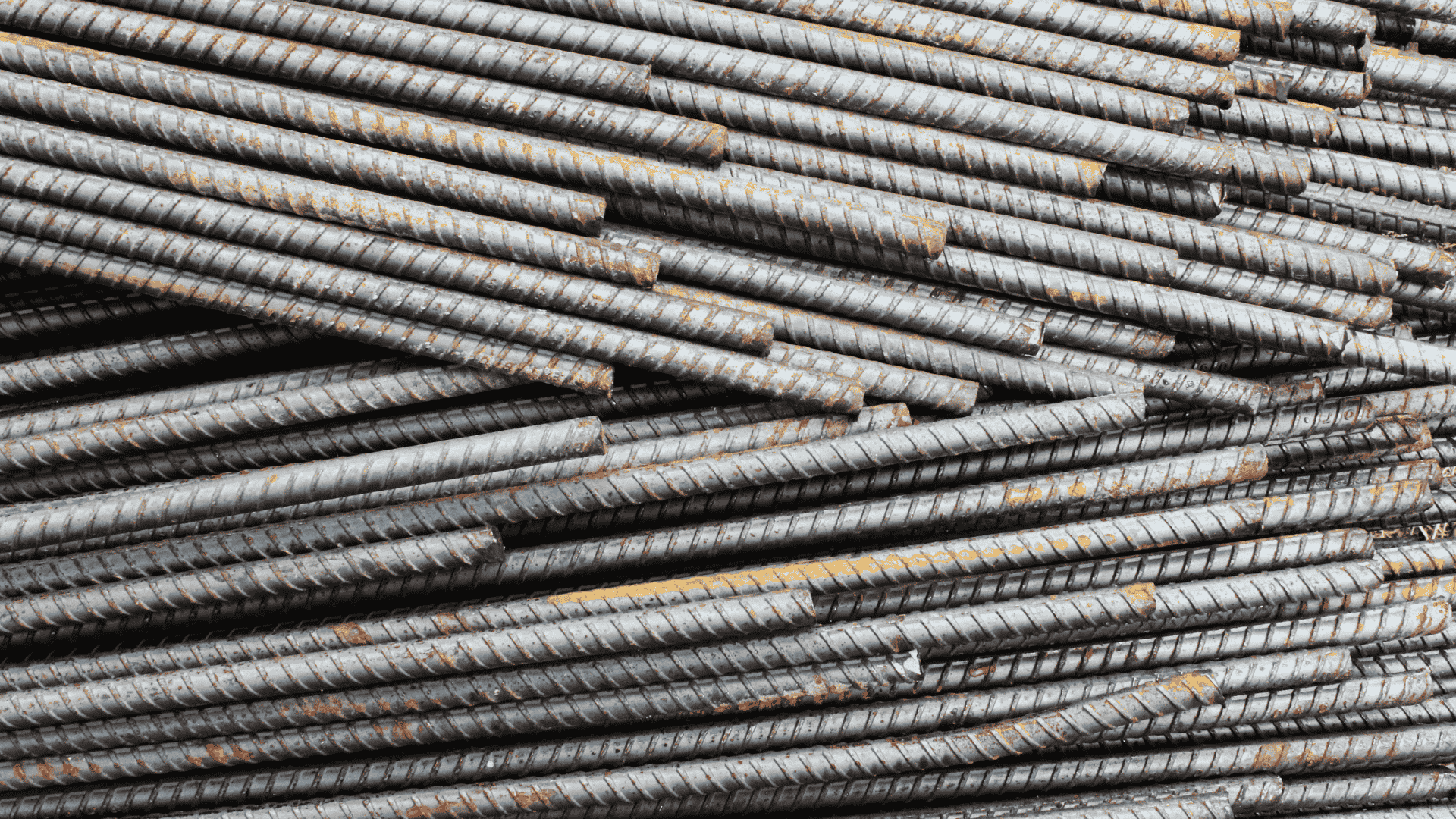
When coastal conditions place constant stress on structures, material performance needs to be predictable, not assumed. Steel for coastal areas in India is preferred because its behaviour under load, moisture, and time is well understood when the right grades and sourcing practises are followed.
Below are 5 practical benefits of using steel for coastal areas in India, explained through real construction and fabrication use cases.
1. Superior Strength Against Wind and Load Conditions
Coastal regions experience strong winds and fluctuating load pressures. Structural steel and TMT bars provide high tensile strength and uniform load distribution.
Grades like 500D and 550D are commonly used in coastal buildings and infrastructure to support wind loads, taller structures, and heavier roof systems without increasing section sizes.
2. Better Performance in High-Humidity Environments
Humidity accelerates material fatigue. Steel, when sourced with proper surface treatment and handled correctly, maintains performance in moisture-rich environments.
Fabrication steel and coated steel sections are widely used in coastal industrial sheds, warehouses, and port-related structures where exposure levels remain consistently high.
3. Longer Structural Life with Proper Grade Selection
In coastal construction, longevity depends on grade selection rather than material type alone. Using approved grades such as FE 500D/550D TMT bars and corrosion-appropriate steel sections helps reduce premature degradation.
It extends structural service life and supports long-term asset planning for residential, commercial, and infrastructure projects.
4. Faster Construction for Time-Sensitive Coastal Projects
Steel allows quicker fabrication and installation compared to many traditional cast-in-situ concrete and brick masonry constructions. Pre-cut sections, standardised sizes, and ease of handling support faster construction cycles.
Steel for coastal regions in India is particularly useful where weather windows are shorter, and construction timelines must account for seasonal disruptions.
5. Lower Long-Term Maintenance Compared to Alternatives
While coastal environments demand regular upkeep, steel structures, when designed and sourced correctly, offer more predictable maintenance cycles.
Consistent material quality and grade compliance reduce frequent repairs, helping project owners manage maintenance costs more effectively over the structure’s lifespan.

These benefits explain why steel fits the technical demands of coastal construction. However, performance depends heavily on how steel is selected, sourced, and applied. Buyers can protect project outcomes by actively identifying and avoiding common mistakes when choosing and using steel for coastal areas in India.
Common Mistakes to Avoid When Using Steel for Coastal Areas in India
Steel performs well in coastal construction when it is selected and managed correctly. Most failures are not material-related but process-driven. Understanding these mistakes helps buyers protect both structural performance and long-term project value.
Below are a few common mistakes seen in coastal projects and how to avoid them:
Ignoring Corrosion-Resistant Grades or Coatings: Coastal environments accelerate corrosion. Using untreated or unsuitable grades increases deterioration risk.
- Select appropriate grades like the 500D and 550D, coatings, or treated steel based on exposure levels. Confirm specifications before procurement to match coastal site conditions.
Choosing Steel Based Only on Price: Lower prices often reflect compromises in grade, treatment, or sourcing. It leads to higher repair costs later.
- Always evaluate steel based on performance, grade compliance, and lifecycle cost, not just upfront pricing.
Poor Supplier Verification: Unverified suppliers increase the risk of inconsistent quality and non-compliant material.
- Source steel only from verified manufacturers and approved suppliers with traceable documentation and proven supply records.
Inadequate Storage and Handling Near Coastlines: Improper storage exposes steel to moisture and salt before installation, reducing performance.
- Store steel on raised platforms, use protective covers, and minimise exposure time at coastal sites.
Not Planning Maintenance Cycles: Ignoring planned inspections, surface protection checks, and corrosion-control measures leads to unexpected deterioration and downtime.
- Schedule periodic inspections, protective coating assessments, and timely repairs as part of the project’s long-term maintenance plan, especially for coastal exposure.
Also Read: Steel Quality Control That Keeps Construction Projects on Schedule
Avoiding these mistakes depends on technical knowledge, reliable sourcing, verified suppliers, and coordinated delivery practises. That's exactly why choosing the right marketplace becomes important for your coastal projects.
Why Choose SteelonCall for Coastal Steel Requirements?
SteelonCall is a digital steel marketplace built for construction and fabrication businesses that need dependable, project-ready steel sourcing. We serve contractors, builders, fabricators, and project teams who operate in demanding environments, especially coastal regions where material performance and delivery reliability matter most.
When coastal conditions increase risk, SteelonCall’s operating model becomes relevant.
Here are the top 5 reasons SteelonCall fits coastal steel requirements:
-
Verified Supplier Network for Quality Assurance: SteelonCall works with 250+ verified suppliers approved through strict quality and compliance checks. It secures buyers against a common industry issue where the steel grade promised differs from what is actually delivered. Verified sourcing reduces quality gaps, structural and compliance risks.
-
Direct Access to Trusted Manufacturers: Buyers can source steel directly from established manufacturers, including Vizag Steel and TATA TISCON, ensuring brand authenticity and consistent grade supply. This direct access improves reliability for coastal projects that demand strict adherence to specifications.
-
Strong Regional Presence in Coastal Markets: SteelonCall has deep operational strength in Andhra Pradesh and Karnataka, where coastal construction activity is significant. This regional grounding supports better coordination, understanding of local demand, and smoother delivery planning.
-
Support for Bulk and Custom Grade Requirements: Coastal projects often require specific grades, sizes, and quantities. At SteelonCall, we support bulk orders and custom grade requests, helping project teams buy steel that aligns with approved designs and phased construction schedules.
-
End-to-End Logistics Coordination: Our experts manage logistics from supplier despatch to site delivery. It reduces handling risks, improves timeline predictability, and supports safer material movement, an important factor in coastal regions.
SteelonCall delivers a one-stop steel platform for India, simplifying how construction and fabrication teams buy steel across regions and use cases. With 9,600+ trusted customers, 8,560+ orders processed, ₹3,360+ million in turnover, and 1,000+ steel catalogues, SteelonCall brings scale and credibility to online steel sourcing. We are a reliable choice for coastal construction and fabrication needs.
Conclusion
Coastal construction demands materials that resist humidity, salt exposure, and weather volatility. Steel for coastal areas in India, when chosen in the right grade, delivers durability, structural strength, and longer service life.
However, common mistakes, such as ignoring corrosion protection, selecting steel purely on price, or relying on unverified suppliers, can lead to early deterioration and cost overruns.
Reliable sourcing, correct grades, and planned maintenance directly impact project safety, lifecycle cost, and execution confidence in coastal environments.
Facing challenges in sourcing the right steel grades, suppliers, and timelines for coastal projects? SteelonCall is the only platform that genuinely provides live steel prices online. Enter your pin code, compare verified options, and get real-time pricing instantly.
Frequently Asked Questions
1. Which steel grades are best for coastal construction?
Fe 500D and Fe 550D TMT bars are commonly preferred for coastal construction due to their higher ductility and strength. When combined with corrosion-resistant coatings or controlled manufacturing standards, these grades perform better under salt-laden and high-humidity conditions.
2. How does corrosion affect TMT bars near the coast?
In coastal environments, salt in the air accelerates oxidation, which can weaken steel over time. Poor-quality or improperly protected TMT bars corrode faster, reducing load-bearing capacity and increasing maintenance needs. Choosing certified grades and proper storage reduces this risk significantly.
3. Is coated or special steel required for coastal projects?
While standard TMT bars can be used, coated steel or corrosion-resistant variants offer better protection in aggressive coastal conditions. These options extend structural life, reduce long-term maintenance, and are often recommended for projects close to shorelines or exposed to continuous moisture.
4. Does steel increase construction costs in coastal areas?
Initial steel costs may be slightly higher due to grade or coating requirements. However, steel lowers overall project costs by reducing repair frequency, extending structural life, and improving construction speed. Long-term savings often outweigh the upfront material investment.
5. Can bulk steel for coastal projects be sourced online?
Yes, Bulk steel for coastal areas in India can be sourced online through verified platforms that offer grade selection, quality assurance, and coordinated logistics. This approach improves pricing transparency, ensures timely delivery, and supports better planning for large-scale coastal projects.
Need a price for your requirement?
Share your grade, diameter and quantity — our steel experts come back with a live quote and delivery timeline.