
SteelonCall Journal
Steel Quality Control That Keeps Construction Projects on Schedule
Steel quality control for construction projects. Learn buyer checks that prevent brand changes, document gaps, and delivery disruptions.
Steeloncall
20 December 2025 · 10 min read
On this page
A single rejected steel batch can halt pours, idle crews, and expose schedules to penalties that procurement teams struggle to explain. Quality doubts, brand substitutions, missing documents, and late trucks create anxiety because recovery costs rise while accountability becomes unclear.
As a buyer, you need certainty from booking through to unloading, with consistent grades, verified paperwork, predictable arrivals, and pricing that remains steady. This guide explains how steel quality control can safeguard timelines and budgets by implementing clear checks before orders are placed, dispatches occur, and materials are handled on-site.
Key Takeaways:
-
Conduct quality control checks before ordering, during dispatch, and at delivery to avoid reactive problem-solving.
-
Demand clear specifications on grades, brands, documentation, and quantities to prevent substitutions and disputes.
-
Effective procurement and delivery coordination, along with clear documentation, ensures consistency and reduces risks across multiple deliveries.
-
Address issues during booking, dispatch, or arrival stages, rather than waiting until materials are on-site or in use.
-
Lock in approved grades, brands, and batch traceability with suppliers to maintain quality and reduce delivery issues.
What Steel Quality Control Means for Construction Buyers
For you, steel quality control is not about lab procedures or test methods, but about controlling risk across procurement, delivery, and site usage. The goal is simple: ensure the steel ordered, delivered, and installed matches project approvals, schedules, and quantities without forcing corrective action later.
What You Must Control Through Steel Quality Checks
From a buyer’s perspective, steel quality control answers a small set of practical questions that directly decide time certainty, cost control, and coordination stability. Here are the core control areas you must manage across every order and delivery cycle:
-
Grade and brand certainty: Confirmation that supplied steel matches the approved grade and brand, preventing substitutions that trigger disputes with consultants, clients, or site engineers.
-
Batch traceability: Ability to trace every delivery to clear documentation, including heat numbers and certificates, before unloading or cutting begins on site.
-
Delivery consistency: Assurance that quality and specifications remain uniform across multiple truckloads, weeks, or phases, especially during bulk procurement cycles.
-
Early issue detection: Systems that surface problems at booking, dispatch, or arrival stages, rather than after material reaches reinforcement or shuttering areas.
How Weak Steel Quality Control Increases Project Risk And Cost
When these checks fail, the impact rarely stays limited to material rejection, because delays spread quickly across labour planning, cash flow assumptions, and execution sequencing.
Here are the most common ways weak steel quality control escalates cost and coordination risk:
-
Direct cost exposure: Rejected steel forces urgent re-ordering, spot purchases, extra transport, rehandling, storage, and testing costs not priced into initial budgets.
-
Schedule disruption: Idle labor, parked machinery, and postponed pours slow RCC work, pushing timelines and compressing future activities across connected trades.
-
Procurement pressure: Time stress increases acceptance of substitute brands or mixed batches, shifting risk from suppliers onto internal teams and project managers.
-
Accountability risk: Missed milestones and quality disputes weaken buyer credibility with clients, consultants, and finance teams tracking committed delivery dates.
To manage cost and timelines, you must next identify where steel quality risks emerge between booking confirmation and site usage.
Also Read: SteelonCall: Ensuring Transparency and Trust in Online Steel Transactions
Where Steel Quality Risks Enter Construction Supply Chains
Steel quality control risks rarely start at testing labs; they usually enter through everyday handoffs across procurement, logistics, and site handling stages. For buyers managing projects in India, these gaps often appear between booking confirmation and actual site usage.
Understanding where risks originate helps you place checks early, rather than reacting after material reaches reinforcement or shuttering zones.
-
Procurement-stage risks:
-
Specification gaps: Orders placed without clear grade, brand, or quantity confirmation increase the chances of substitutions during dispatch or partial fulfilment later.
-
Supplier mixing: Splitting volumes across multiple suppliers creates variation in batches, documentation formats, and delivery reliability across phased schedules.
-
-
Dispatch and transit risks:
-
Batch dilution: Loads combined or adjusted during dispatch can mix heat numbers, complicating traceability once trucks arrive at site yards.
-
Documentation mismatch: MTCs issued separately or late often fail to match truck quantities, creating verification delays during unloading checks.
-
-
Delivery and unloading risks:
-
Tag loss: Missing bundle tags or unclear markings make it difficult to link steel to certificates before cutting or bending activities begin.
-
Visual degradation: Improper covering during transport leads to rust, bends, or surface damage that triggers disputes at unloading points.
-
-
Site storage and handling risks:
-
Improper stacking: Poor yard practices cause deformation, corrosion, or mixing of approved and pending material batches over time.
-
Premature usage: Steel used before documentation verification limits rejection options and shifts quality risk onto execution teams.
-
Understanding risk locations allows you to define clear demands suppliers must meet before orders are confirmed or dispatch begins.
Also Read: Custom Steel Material Solutions for Contractors: Tailored to Your Needs
What You Should Demand from Manufacturers and Suppliers
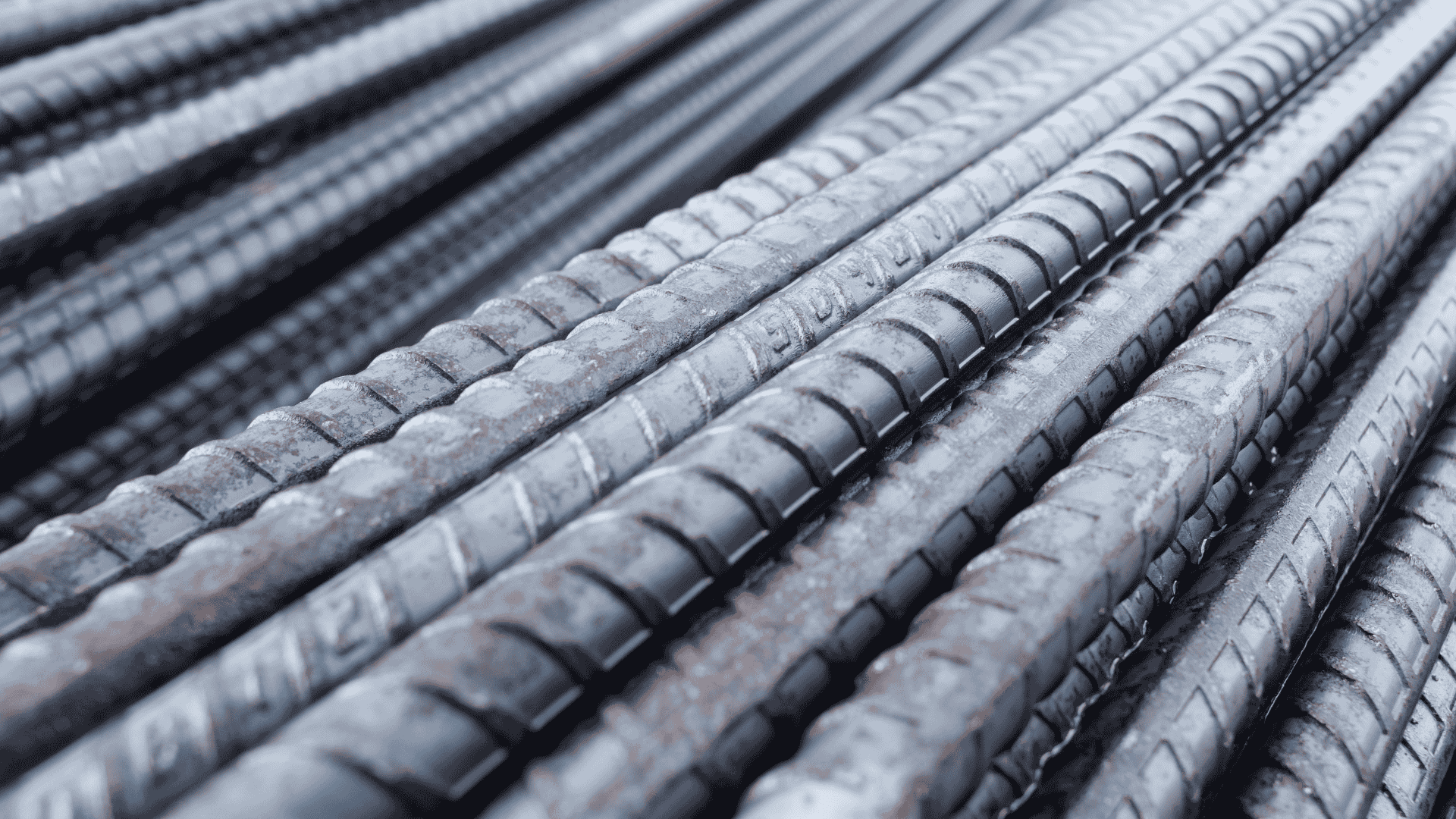
As a buyer, you control steel quality outcomes by setting strict expectations with manufacturers and suppliers upfront. Many execution problems arise when requirements are left open to interpretation. Clear demands protect your projects from issues like substitutions, documentation gaps, quantity mismatches, and coordination failures, especially during bulk or phased deliveries.
Here are the specific requirements you should demand from manufacturers and suppliers to reduce quality, cost, and schedule risks:
-
Approved grades only: Ensure suppliers confirm in writing that all deliveries will strictly adhere to the approved 500D or 550D grades, with no substitutions introduced during shortages or dispatch adjustments.
-
Brand locking across phases: The booked brand must remain unchanged across every truckload, especially during multi-week or phased supply schedules for large construction projects.
-
Batch-level traceability: Each delivery should remain batch segregated, ensuring certificates, quantities, and material markings correspond clearly without site teams performing manual reconciliation.
-
Heat number linkage: Every bundle must carry visible heat numbers that directly match mill test certificates, enabling verification before unloading, cutting, or bending activities begin.
-
Document readiness discipline: Mill test certificates and dispatch documents must arrive before or with the material, never after unloading or partial usage on site.
-
Uniform manufacturing source: Bulk orders should originate from consistent manufacturing sources to avoid variation in properties, markings, or documentation across deliveries spread over weeks.
-
Quantity discipline: Dispatch quantities must match booking confirmations closely, preventing shortfalls that disrupt bar bending schedules, reinforcement sequencing, and labor planning.
-
Defined dispatch checkpoints: Suppliers should confirm loading completion, vehicle dispatch timing, and estimated arrival windows to support site coordination and unloading readiness.
-
Clear issue escalation ownership: You need to know who is responsible for resolving issues during unloading, such as damage, mismatches, or document gaps, with no delays or shifting of responsibility.
To ensure these requirements hold during execution, you need a practical checklist used by procurement and site teams alike.
Also Read: Construct Smarter, Not Harder: Easy and Affordable Steel Purchases with Steeloncall
Steel Quality Control Checklist for Construction Buyers
Steel quality control works best when you follow one consistent checklist across ordering, delivery, and site usage, rather than reacting to issues after material arrives. This unified checklist helps procurement teams, site engineers, and project managers apply the same checks across projects in Andhra Pradesh, Telangana, and Karnataka.
The checklist is structured around three control points that matter most during steel sourcing and execution.
Site-level QC checks at delivery:
-
Visual condition check: Inspect bundles for rust, bends, cracks, or surface damage that may trigger rejection or disputes later.
-
Markings and tags: Verify grade markings, brand stamps, and bundle tags remain visible and intact before unloading begins.
-
Segregation discipline: Store approved material separately from pending or disputed loads to avoid accidental usage.
-
Handling practices: Ensure unloading and stacking methods prevent deformation, especially for long bars used in RCC works.
How you should read and question MTCs and lab reports:
-
Grade and heat match: Confirm that the grade, heat number, and quantities on MTCs match the delivered bundles exactly.
-
Batch clarity: Check that certificates clearly cover the specific truckload, not combined or unrelated dispatches.
-
Date alignment: Ensure test dates align with manufacturing timelines and dispatch schedules.
-
Query triggers: Raise queries immediately if any mismatch appears, before cutting, bending, or issuing steel to site teams.
Supplier risk scoring for bulk and phased procurement:
-
Brand consistency: Track whether the same approved brand is supplied across all deliveries.
-
Delivery reliability: Monitor adherence to committed dispatch dates and arrival windows.
-
Documentation accuracy: Score suppliers on certificate accuracy and readiness with each load.
-
Quantity discipline: Compare booked versus delivered quantities to identify recurring shortfalls early.
Applying this checklist becomes easier when procurement systems support visibility, documentation readiness, and delivery coordination across projects.

How SteelonCall Supports Safer Steel Buying
SteelonCallsupports safer steel buying by bringing price clarity, verified supply sources, and disciplined delivery coordination into a single digital steel marketplace. This structure helps you maintain control from order confirmation through dispatch and site delivery, without depending on corrective action after material arrival.
The following support pillars explain how this marketplace structure helps maintain consistent steel quality control across ongoing construction and fabrication requirements:
-
Upfront pricing clarity: GST-inclusive prices are visible before booking, making SteelonCall the only platform where you see the final payable amount without later additions.
-
Recognised brand supply: Steel is sourced from known producers such as Vizag Steel, JSW, Tata Steel, and SAIL, ensuring approved grade confidence.
-
Rate consistency support: Pricing support against verified lower quotes helps maintain cost stability across repeat purchases and phased buying schedules.
-
Planned dispatch coordination: Dispatches are scheduled in advance, reducing waiting time at sites and supporting uninterrupted fabrication or construction activity.
-
Flexible payment options: Multiple payment choices support effective cash flow planning during large-volume or ongoing steel buying requirements.
-
Accessible support assistance: Quick access to support during booking or delivery tracking allows issues to be clarified early, avoiding site-level work stoppages.
By centralising pricing, supplier verification, and dispatch visibility, you reduce uncertainty across repeat orders and phased deliveries.
Conclusion
Quality control delivers results when you apply clear checks at ordering, dispatch, and delivery stages, instead of reacting after steel enters critical construction activities. This discipline keeps schedules intact, limits cost surprises, and supports predictable procurement across bulk and phased supply plans.
If you need transparent pricing, confirmed grades, and dependable delivery planning without last-minute issues, speak with our experts today.
FAQs
1. How long should you retain steel quality documents after project completion?
Project teams should retain MTCs, delivery challans, and inspection records until defect liability periods end. These documents support audits, client queries, and future liability reviews if structural concerns arise later.
2. Can slightly rusted steel be accepted without compromising quality compliance?
Surface rust from storage exposure may be acceptable if section loss and pitting are absent. You should document the condition at delivery and seek written confirmation before approving usage decisions.
3. How often should third-party testing be requested during large projects?
Third-party testing works best at defined milestones, such as the first delivery or supplier change. Over-testing every load increases delays without adding proportionate risk reduction.
4. What should I do if site teams cut steel before document verification?
You should stop further usage immediately and document quantities already processed or installed. Once steel is cut, rejection options reduce sharply, and risks shift from suppliers to the project. Clear internal controls help prevent recurrence during later deliveries.
5. Do regional standards differ for steel acceptance across South India projects?
Acceptance standards remain uniform, though enforcement practices may vary by client or consultant. You should confirm project-specific approval requirements before placing initial steel orders.
Need a price for your requirement?
Share your grade, diameter and quantity — our steel experts come back with a live quote and delivery timeline.