
SteelonCall Journal
Truck Load Fraud in the Steel Industry: Risks, Trends, and How to Prevent Losses
Truck load fraud in the steel industry is rising. Learn the risks, fraud patterns, and how transparency and live steel prices help prevent losses.
Steeloncall
19 January 2026 · 15 min read
On this page
- At a Glance
- What Is Truck Load Fraud in Steel Shipments?
- Why Steel Transportation Is Highly Vulnerable to Truck Load Fraud
- Freight and Trucking Fraud Trends Impacting Steel Shipments
- Common Types of Truck Load Fraud in the Steel Industry
- Business Impact of Truck Load Fraud on Steel Projects
- Early Warning Signs of Truck Load Fraud in Steel Transportation
- How Steel Buyers Can Reduce Transportation Fraud Risks
- How SteelonCall Reduces Truck Load Fraud with Transparency
- Conclusion
- FAQs
In Indian construction, one delayed or misdirected steel truck can stall an entire site. From TMT bars and structural steel to plates and coils, most construction projects rely on full truck loads reaching the site on time and in the right condition. However, this heavy dependence on road logistics has also made the sector increasingly vulnerable to truck load fraud in the steel industry.
In recent years, freight and trucking fraud has evolved from isolated theft incidents into organised, technology-driven schemes. For steel buyers, the risk is higher because a single truck load often represents high material value and tight project timelines. When fraud occurs, the impact goes beyond material loss. Projects face delays, cash flows are disrupted, and disputes arise over responsibility and recovery.
Contractors, builders, fabricators, and project teams are now exposed to steel transportation fraud risks at multiple points between dispatch and delivery. Many buyers still treat logistics fraud as an external problem rather than a sourcing and visibility issue that can be anticipated and reduced.
This article focuses on combatting freight and trucking fraud trends affecting steel movement. It explains how truck load fraud in steel shipments is emerging, why steel transport is particularly exposed, and what practical steps buyers can take to protect their projects through better visibility, verification, and disciplined sourcing practices.
At a Glance
-
Truck load fraud in the steel industry is rising as steel continues to move primarily through interstate road transportation in India.
-
Steel shipments carry higher fraud risk because a single truck load represents high value, bulk quantity, and tight construction timelines.
-
Most truck load fraud in steel shipments begins before transit, through impersonation, document misuse, or unauthorised changes after truck allocation.
-
Freight and trucking fraud has shifted from physical theft to process manipulation, making it harder to detect using documents alone.
-
The business impact extends beyond material loss, causing project delays, cost overruns, cash flow disruption, and liability disputes.
-
Early warning signs appear at dispatch, during transit, and at delivery, and ignoring small inconsistencies often leads to larger losses.
-
Reducing steel transportation fraud risks requires disciplined verification and visibility, not reactive recovery after loss.
-
Transparent price discovery and clear seller visibility reduce fraud exposure by limiting intermediaries and improving traceability before dispatch.
What Is Truck Load Fraud in Steel Shipments?
Truck load fraud in steel shipments refers to intentional deception or misrepresentation during the road transportation of steel materials. It is different from routine logistics problems such as delays, handling damage, or paperwork mistakes.
In practical terms, truck load fraud in the steel industry involves situations where a steel consignment is knowingly misdirected, substituted, or unlawfully taken during transit.
Key characteristics of truck load fraud in steel shipments include:
-
Planned deception, not accidental errors or operational delays
-
Misuse of transporter identity, documents, or delivery instructions
-
Unauthorised changes after truck allocation or dispatch confirmation
-
Large-volume impact, as steel usually moves in full truck loads
How it differs from general cargo theft:
-
Cargo theft focuses only on physical stealing of material
-
Truck load fraud often begins before the truck starts moving, during transporter selection or documentation exchange
-
The fraud may remain hidden until delivery is delayed, incomplete, or does not happen at all
Because steel is high-value and typically dispatched in bulk, even a single instance of truck load fraud in steel shipments can lead to significant financial loss, project disruption, and disputes over responsibility.
Understanding this distinction is essential before examining why steel transportation is especially vulnerable and how these frauds typically occur.
Also Read: Top 7 Advantages of Buying Steel Online
Why Steel Transportation Is Highly Vulnerable to Truck Load Fraud
Steel transportation has inherent characteristics that make it more exposed to fraud compared to many other construction materials. These vulnerabilities are structural and exist across projects, locations, and buyer profiles.
Key factors that increase fraud risk in steel transportation:
-
High value concentrated in a single truck load: Steel is typically moved in bulk. One truck may carry several tonnes of material, making even a single diversion financially significant.
-
Standardised and easily resold products: TMT bars, plates, beams, and coils follow standard grades and sizes. Diverted material can often be resold with minimal traceability challenges.
-
Long-distance, interstate road movement: Steel frequently travels across states by road. Once a truck leaves the dispatch point, direct control and visibility reduce sharply.
-
Multiple intermediaries in traditional supply chains: The involvement of dealers, sub-dealers, brokers, and transport coordinators increases handover points and creates opportunities for impersonation or manipulation.
-
Tight construction timelines: Project schedules depend heavily on timely steel delivery. Urgency can lead to relaxed verification, which fraudsters exploit.
-
Limited in-transit visibility: In many cases, buyers rely on periodic updates rather than continuous tracking, making it harder to detect route deviations or unauthorised changes.
These factors together explain why steel transportation fraud risks remain high and why truck load fraud in the steel industry continues to rise. Recognising these vulnerabilities is essential before examining how fraud patterns are evolving and what forms they commonly take.
Freight and Trucking Fraud Trends Impacting Steel Shipments
While the structural vulnerabilities in steel transportation have existed for years, the nature of freight and trucking fraud has changed significantly. Fraud today is less about random theft and more about organised exploitation of process gaps, identities, and digital communication channels.
How freight and trucking fraud is evolving in steel logistics:
-
From physical theft to process manipulation: Instead of forcibly stealing material, fraudsters increasingly manipulate load allocation, confirmations, and delivery instructions to gain control of a shipment.
-
Use of impersonation over force: Genuine transporter names, vehicle numbers, and contact details are copied or misused to appear legitimate during dispatch and transit coordination.
-
Fragmented communication exploited: Multiple calls, messages, and handoffs between seller, transporter, and site teams create opportunities for misinformation and unauthorised changes.
-
Fraud timed around dispatch and delivery windows: Changes are often introduced just before loading or near delivery, when verification fatigue is highest and corrective action is difficult.
-
Repeat patterns across regions and projects: Similar fraud approaches are being observed across different states and project types, indicating organised networks rather than isolated incidents.
Why these trends matter specifically for steel buyers:
-
Fraud now looks operationally “normal” until it is too late
-
Paper documentation alone no longer guarantees authenticity
-
Delayed detection increases recovery difficulty and dispute risk
These trends explain why truck load fraud in steel shipments is rising even among experienced buyers. They also set the stage for understanding the specific fraud methods that are now most commonly used in steel transportation.
Must Read: Top 5 Benefits of Steel for Coastal Areas in India

Common Types of Truck Load Fraud in the Steel Industry
After understanding why steel transportation is vulnerable and how fraud trends are evolving, it is important to look at the specific ways truck load fraud actually occurs in steel movement. These are not theoretical risks. They are repeatable patterns seen across projects and regions.
Each type below represents a distinct fraud mechanism, not a variation of the same issue.
1. Fake or Impersonated Transporters
In this scenario, fraudsters pose as legitimate transporters using copied or partially altered credentials. They may reference genuine company names, vehicle numbers, or driver details to gain trust during load allocation.
How it plays out in steel shipments:
-
A truck is assigned based on apparently valid details
-
Steel is loaded and dispatched
-
The transporter disappears or becomes unreachable after pickup
This type of fraud often succeeds because verification is done once, early in the process, and not revalidated closer to dispatch.
2. Cargo Diversion After Legitimate Pickup
Here, the truck and driver may initially be genuine. Fraud occurs after the material has been legally picked up.
Typical diversion methods include:
-
Rerouting the truck to an unauthorised unloading point
-
Partially unloading steel before reaching the final site
-
Substituting material during transit
Because the dispatch itself is legitimate, detection usually happens only when the truck fails to arrive on time or arrives with shortages.
3. Double Brokering of Steel Truck Loads
Double brokering involves unauthorised reassignment of a steel load to another transporter without the buyer’s or seller’s knowledge.
Why this is risky for steel:
-
Accountability becomes unclear if something goes wrong
-
Insurance coverage may be invalidated
-
Buyers lose visibility over who is actually carrying the steel
In many cases, the final transporter has no formal link to the original seller or buyer, increasing fraud exposure.
4. Manipulation of Transport and Delivery Documents
Steel truck loads rely heavily on documents such as delivery challans and proof of receipt. Fraudsters exploit this dependence.
Common document-related frauds include:
-
Forged delivery acknowledgements
-
Altered quantities or grades on paperwork
-
Fake confirmations sent before actual delivery
Once documents are accepted, recovery becomes difficult even if the physical material is missing or mismatched.
5. Coordinated Fraud Involving Multiple Parties
In more advanced cases, fraud is not carried out by a single individual but through coordination between drivers, intermediaries, or handlers.
Indicators of coordinated fraud:
-
Consistent miscommunication across multiple touchpoints
-
Repeated excuses tied to breakdowns or route issues
-
Delays that align with opportunities for diversion or substitution
These cases are harder to detect because no single action appears suspicious on its own.
Understanding these fraud types helps buyers move beyond generic caution and focus on where control actually breaks down in steel transportation. The next step is to assess how these frauds translate into real business impact for steel projects.
Also Read:Your Ultimate Destination for Quality Steel Plates
Business Impact of Truck Load Fraud on Steel Projects
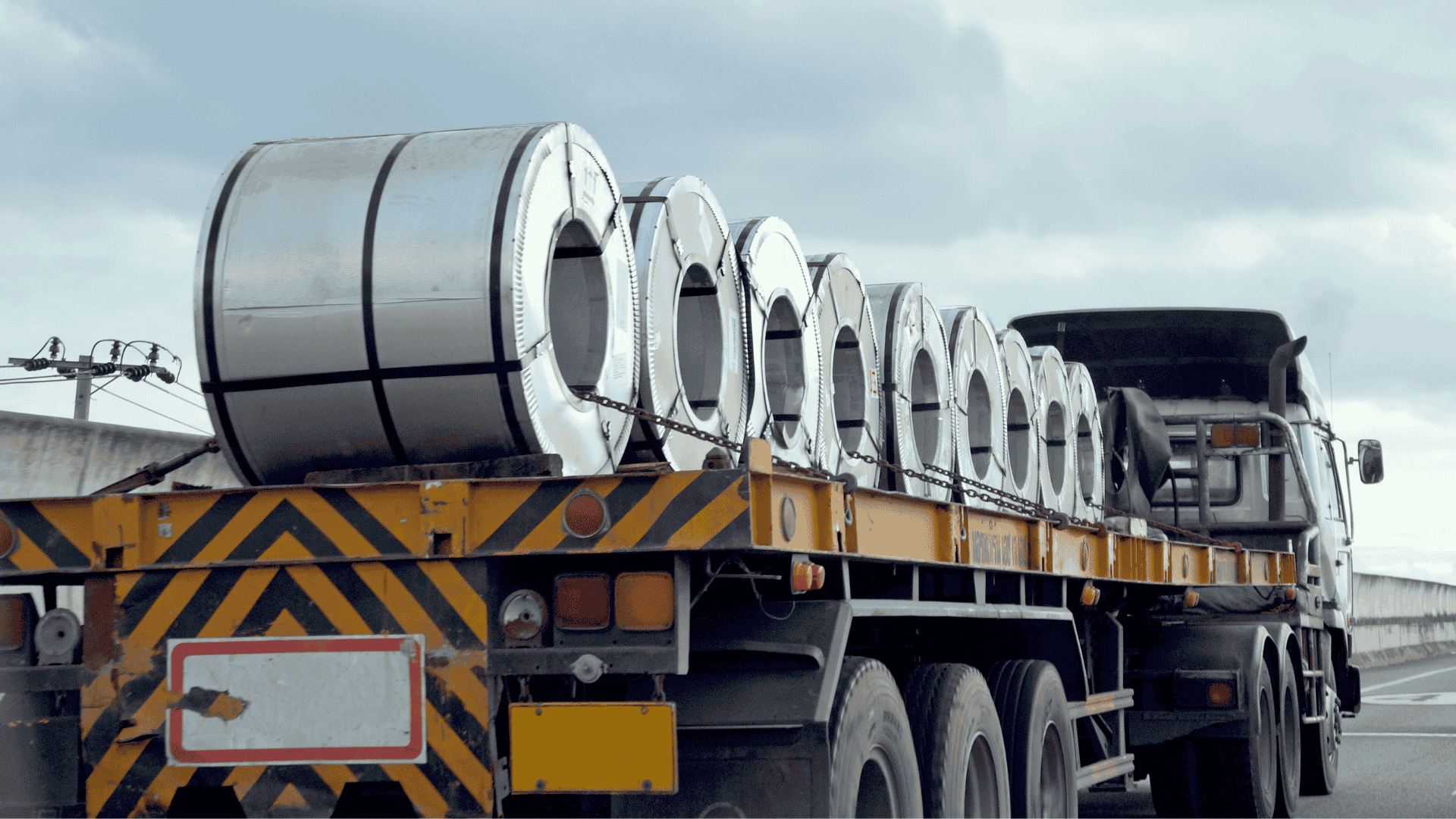
Truckload fraud in the steel industry creates consequences that extend well beyond the immediate loss of material. For construction and fabrication projects, the real damage often emerges after the incident, when schedules, finances, and responsibilities begin to unravel.
Key business impacts of truck load fraud in steel shipments:
-
Project delays and idle resources: Missing or short-delivered steel can halt critical activities such as concreting, fabrication, or erection. Labour, equipment, and site overheads continue to incur costs even when work stops.
-
Unplanned cost escalation: Emergency replacement purchases often happen at unfavourable prices. Additional transport, handling, and storage costs further strain project budgets.
-
Cash flow disruption: Payments may already have been released based on dispatch or documents. Recovering funds tied to a fraudulent shipment can take weeks or months.
-
Disputes over liability and responsibility: When fraud occurs, buyers, sellers, and transporters may disagree on where accountability lies. This can lead to prolonged negotiations or legal action.
-
Insurance complications: Claims related to fraud are often scrutinised more heavily than accident-related losses. In some cases, coverage may be limited due to documentation gaps or unauthorised transporter changes.
-
Erosion of supplier and client trust: Repeated logistics issues, even when caused by fraud, can damage long-standing commercial relationships and affect future business.
These impacts explain why truck load fraud in steel shipments is not just a transport risk but a project risk. Understanding the consequences clearly is essential before looking at how early warning signs can be identified and acted upon.
Early Warning Signs of Truck Load Fraud in Steel Transportation
By the time a steel truck load goes missing, recovery options are usually limited. The real opportunity to reduce loss lies in identifying warning signs early, before fraud fully plays out. These signals often appear normal in isolation but become meaningful when viewed together.
Operational red flags before dispatch:
-
Last-minute changes to transporter details: Sudden updates to vehicle numbers, driver names, or contact details without a clear operational reason.
-
Reluctance to share verifiable information: Delays or avoidance when asked for driver identification, vehicle photos, or location confirmation.
-
Inconsistent communication channels: Messages coming from multiple phone numbers or unofficial messaging apps instead of agreed channels.
Warning signs during transit:
-
Unexplained route deviations or stoppages: Extended halts or changes that do not align with the planned route or timeline.
-
Repeated excuses linked to urgency: Claims of breakdowns, traffic issues, or document problems that conveniently delay verification.
-
Loss of real-time contact: Drivers or coordinators becoming unreachable for extended periods.
Red flags at delivery stage:
-
Pressure to accept delivery without checks: Requests to sign off before physical verification of quantity or grade.
-
Mismatch between material and documents: Differences in weight, count, or markings compared to dispatch records.
-
Early or unauthorised delivery confirmations: Proof of delivery shared before the truck reaches the agreed site.
Individually, these signals may seem minor. Together, they often indicate elevated steel transportation fraud risks. Recognising and responding to these warning signs promptly can prevent truck load fraud in the steel industry from turning into a full-scale project loss. The next step is understanding what buyers can do systematically to reduce these risks.
Also Read: Online Steel Selling Providers: Quality Steel at Competitive Prices
How Steel Buyers Can Reduce Transportation Fraud Risks
Reducing truck load fraud in the steel industry requires consistent controls built around visibility and verification. These practices focus on how buyers confirm, track, and validate steel movement, not on procuring or brokering transport.
Practical steps buyers should follow:
-
Re-verify transport details close to dispatch: Confirm vehicle, driver, and coordinator details again just before loading. Avoid accepting last-minute changes without clear confirmation from the seller or dispatcher.
-
Keep dispatch and delivery clearly traceable: Ensure dispatch documents match the confirmed seller, steel grade, and quantity. Accept delivery confirmation only after physical verification at the site.
-
Avoid reliance on unknown intermediaries: Clear visibility into who the seller is and who arranged transport reduces the risk of impersonation and unauthorised reassignment.
-
Maintain basic in-transit visibility: Monitor expected timelines and follow up quickly on unexplained delays or route deviations.
-
Treat logistics as a visibility risk, not a back-end task: Fraud risk reduces significantly when buyers prioritise transparency and verification alongside price discovery.
These steps help reduce steel transportation fraud risks without changing how steel is purchased. The next section explains how greater price and seller transparency further limit exposure to truck load fraud in steel shipments.
How SteelonCall Reduces Truck Load Fraud with Transparency
Most truck load fraud in the steel industry thrives on information gaps. When buyers lack clarity on prices, sellers, or dispatch sources, it becomes easier for unauthorised parties to interfere during transportation. SteelonCall addresses this risk by strengthening visibility at the very start of the transaction.
How SteelonCall reduces steel transportation fraud risks:
-
Live, real-time steel price visibility: Buyers can view and compare current prices across multiple manufacturers and authorised sellers. This transparency reduces the likelihood of post-booking price changes that often trigger fraudulent transport substitutions.
-
Clear seller and brand identification: Every listing is tied to a known manufacturer or verified seller. Buyers know upfront who the steel is coming from, which limits impersonation and fake seller risks.
-
Defined linkage between price, grade, and source: SteelonCall connects price information directly to the steel grade, quantity, and dispatch origin, making unauthorised changes easier to detect.
-
Reduced reliance on informal intermediaries: By enabling direct visibility of verified sellers and prices, SteelonCall minimises dependency on loosely connected agents where fraud commonly originates.
-
Order-level visibility and coordination: Buyers can track order status and delivery milestones digitally, improving accountability without SteelonCall acting as a buyer, seller, or broker.
By removing opacity from steel buying and logistics coordination, SteelonCall makes truck load fraud in steel shipments harder to execute. It strengthens buyer confidence through transparency, not control, and helps protect projects without changing how procurement decisions are made. Reach out to SteelonCall and speak with our experts.
Conclusion
Freight and trucking fraud has become a real and growing challenge for the steel movement across India. As steel continues to move predominantly by road, truck load fraud in the steel industry is no longer an isolated risk but a recurring threat that can disrupt projects, strain cash flows, and create long-term disputes.
What makes this risk particularly dangerous is that it often begins with small gaps in visibility. Unclear pricing, uncertain seller identity, and fragmented coordination create the conditions in which truck load fraud in steel shipments can occur. Once a truck is in transit, these gaps become harder and more expensive to correct.
Reducing steel transportation fraud risks does not require complex systems or heavy intervention. It requires disciplined verification, early attention to warning signs, and greater transparency in how steel is sourced and tracked. When buyers know exactly who they are buying from and at what price, accountability improves across the supply chain.
By shifting focus from reactive recovery to proactive visibility, contractors and project teams can protect schedules, control costs, and move steel with greater confidence even in a high-risk logistics environment.
Want to reduce fraud risk before the truck even moves?
Check live steel prices across verified manufacturers on SteelonCall and bring clarity, accountability, and confidence to every steel shipment.
FAQs
Q: Is truck load fraud common in steel transportation in India?
A: Yes. Truck load fraud in steel transportation is increasingly reported in India due to long interstate routes, multiple intermediaries, and limited in-transit visibility for bulk steel shipments.
Q: Which Indian states face higher steel transportation fraud risks?
A: States with high construction activity and interstate steel movement such as Andhra Pradesh, Telangana, Karnataka, Maharashtra, and Tamil Nadu see higher exposure to steel transportation fraud risks.
Q: Does live steel price visibility help reduce fraud in India?
A: Yes. Live steel price visibility in India improves traceability by clearly linking price, brand, and seller, reducing the scope for bait-and-switch and impersonation fraud.
Q: What should be verified before steel dispatch in India to avoid fraud?
A: Before dispatch, Indian buyers should verify the seller, steel grade, quantity, transporter identity, and delivery location to minimise steel transportation fraud risks.
Q: Can insurance fully cover truck load fraud losses in Indian steel projects?
A: Insurance coverage for truck load fraud in India is limited and depends heavily on documentation, transporter authorisation, and proof of compliance. Many claims face delays or partial settlement.
Need a price for your requirement?
Share your grade, diameter and quantity — our steel experts come back with a live quote and delivery timeline.