The Ultimate Guide to Steel Test Certificates for Contractors
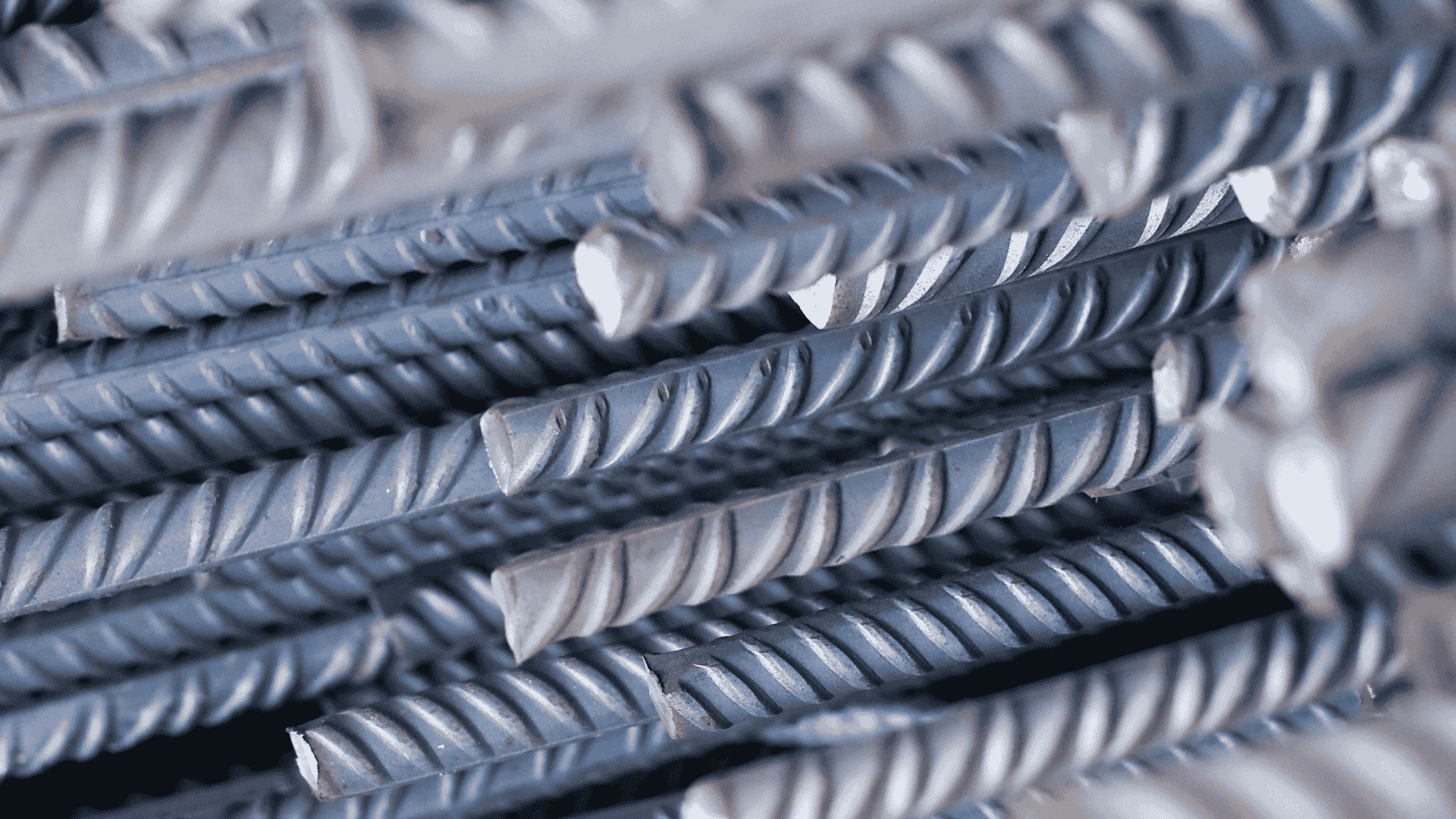
A single wrong steel delivery can stall site progress, delay payments, and expose you to quality disputes that surface only after work has started. When margins are tight and schedules unforgiving, missing or incorrect steel test certificates often become the silent reason projects slip off track.
As a contractor, fabricator, or procurement head, you carry the pressure of ensuring genuine steel arrives on time without last-minute grade surprises. You also need documents that pass site checks, satisfy auditors, and protect you when billing, inspections, or disputes arise unexpectedly.
In this blog, we’ll explore what a steel test certificate proves, why it matters in construction procurement, and which standards you must always verify. We’ll also cover how to read certificates correctly, avoid common acceptance mistakes, and reduce quality, delivery, and payment risks on active sites.
Key Takeaways:
-
Steel test certificates confirm that the delivered steel meets the required grade and strength for construction use.
-
Missing or incorrect certificates can delay payments, audits, and project progress, creating risks for contractors.
-
Certificates help ensure compliance with tender requirements, government regulations, and quality standards.
-
Reviewing certificates carefully before use reduces the chance of rework, disputes, and payment issues.
-
Understanding the different types of certificates (e.g., Type 3.1 and Type 3.2) is critical for selecting the appropriate documentation for your project.
Why Steel Test Certificates Are Essential for Construction
A steel test certificate is an official document issued by manufacturers confirming that the supplied steel meets the specified grade, strength, and testing requirements for construction use. For contractors and procurement teams, this certificate links delivered material to verified test results, protecting projects from quality disputes and rejection risks.
Beyond definition, some buyers rely on steel test certificates because they directly address commercial, technical, and compliance pressures faced during active construction execution.
-
Quality assurance: The certificate confirms that the steel grade and mechanical properties match approved specifications, reducing the chances of structural issues or site-level rejection.
-
Procurement protection: It helps you verify branded steel supply, avoid unauthorised substitutions, and maintain accountability across suppliers, transporters, and project teams.
-
Compliance and billing support: Steel test certificates satisfy tender clauses, inspection requirements, and audit checks, preventing payment delays and documentation-related disputes.
-
Traceability on site: Heat numbers on certificates connect delivered steel to specific test batches, enabling fast verification during inspections or quality concerns.
-
Risk control for projects: By checking certificates before use, you reduce the chances of rework, schedule disruption, and downstream liability exposure.
Now that you see the value of these certificates, let's discuss their specific role in procurement, tendering, and billing workflows.
How Steel Test Certificates Impact Procurement and Billing
Steel test certificates directly influence how procurement teams secure approvals, process bills, and close contracts without friction during construction execution.
For contractors and project managers, missing or incorrect certificates often trigger delays that affect payments, audits, and supplier credibility.
In procurement and tendering workflows, steel test certificates act as control documents that connect material supply with contractual, financial, and compliance checkpoints.
-
Tender clause compliance: Most construction tenders clearly require MTC submission with each supply, making certificates mandatory for technical acceptance and contract adherence.
-
Government versus private projects: Government projects enforce stricter certificate scrutiny, while private projects may allow flexibility but still demand traceability during inspections.
-
RA bills and final payments: RA bills frequently get withheld when steel test certificates are missing, mismatched, or submitted late against executed quantities.
-
Audit and compliance checks: Auditors and consultants review certificates to confirm grade conformity, heat traceability, and billing accuracy during quality and financial audits.
To ensure smooth procurement and avoid delays, it's essential to check that the certificates meet relevant Indian standards and BIS requirements.
Indian Standards and BIS Requirements You Must Check
In India, steel test certificates must reference both EN 10204 classification and applicable BIS/IS standards. EN 10204 defines the type of certificate, while BIS/IS standards define the grade and mechanical properties that must be met for legal acceptance.
Key compliance checks:
-
BIS Quality Control Orders (QCOs): Mandate BIS-certified steel supply for listed products.
-
IS 1786: TMT bars must show grades (e.g., 500D, 550D) with test results matching RCC requirements.
-
IS 2062: Structural steel certificates must confirm grade, mechanical properties, tolerances, and chemical composition (C, Mn, S, P limits) for full audit acceptance.
-
BIS license (CM/L number): Certificates must display the manufacturer’s BIS license for validity.
-
EN 10204 reference: Imported or project-specific steel may include EN certificates, but they must align with BIS acceptance and contract conditions.
Once the legal compliance is clear, let's take a closer look at the different types of certificates you'll be reviewing for your projects.

Different Types of Steel Test Certificates and Their Importance
Steel test certificates follow EN 10204 classification, which defines how test results are declared and who verifies compliance for supplied steel materials. You must understand these types clearly because selecting the wrong certificate can lead to rejection, compliance gaps, or disputes during inspections.
The table below explains the certificate types buyers commonly receive, focusing on usage relevance for construction and fabrication projects:
|
Certificate Type |
What It Represents |
Buyer Relevance |
|
Type 2.1 |
This certificate states that the material meets order requirements, without providing actual test results for the supplied steel batch. |
Rarely accepted in India; insufficient for audits or tender compliance. |
|
Type 2.2 |
This report includes test results based on non-specific testing, often derived from similar production batches. |
Accepted only for non-critical items; not valid for BIS-controlled products. |
|
Type 3.1 |
This certificate provides specific test results for the supplied heat, verified by the manufacturer’s authorised inspection department. |
Standard requirement for TMT bars, structural steel, and fabrication projects in India. |
|
Type 3.2 |
This certificate includes third-party verification, with inspection witnessed by an independent agency alongside the manufacturer. |
Mandatory for bridges, refineries, power plants, and government projects requiring third-party inspection. |
Now that you know the different certificate types, let’s go over what exact details to look for when validating each document.
What to Look for When Reviewing Steel Test Certificates
A steel test certificate contains specific data points that you must verify carefully before approving material for use on construction or fabrication sites. Reviewing these details protects project timelines, payment approvals, and structural safety by confirming supplied steel matches contractual and technical expectations.
-
Identification and traceability details: You must confirm that the manufacturer name, certificate number, material grade, and heat number clearly match the delivered steel.
-
Applicable standard and grade: The certificate should clearly reference relevant IS standards and grades approved in drawings, purchase orders, and project specifications.
-
Mechanical property values: You should verify that yield strength, tensile strength, and elongation values fall within specified limits for structural and RCC applications.
-
Test results and remarks: Bend, rebend, and dimensional tolerance results indicate whether steel meets acceptance criteria during site inspections and quality reviews.
-
Authorisation and validity: Certificates must carry issue dates, inspection references, and authorised sign-off to remain acceptable during audits and billing checks.
Knowing the key details to check, let’s explore how to effectively read and confirm the accuracy of these certificates before using the material.
How to Read and Verify a Steel Test Certificate Before Using the Material
Before steel enters fabrication or erection, you must verify the test certificate to prevent rejection, rework, and schedule disruption.
A clear verification sequence helps you confirm grade, traceability, and acceptance readiness at site checks.
-
Match traceability first: Start by matching the heat number on the certificate with markings on delivered steel bundles before unloading begins.
-
Confirm standard and grade: Confirm that the referenced standard and grade align with purchase orders, drawings, and approved material submittals.
-
Review mechanical values: Review mechanical values to ensure yield strength, tensile strength, and elongation meet specified limits for intended structural use.
-
Check test remarks: Check test results and remarks for bend, rebend, and dimensional tolerance outcomes required during site inspections.
-
Validate authorisation: Verify certificate type, issue date, and authorised sign-off to confirm acceptance during audits, billing reviews, and compliance checks.
After verifying the certificate details, it's crucial to adopt a solid review process that minimizes mistakes and ensures full acceptance of the material.
Best Practices For Reviewing Steel Test Certificates
A disciplined certificate review process reduces disputes, protects payment timelines, and ensures only approved steel enters fabrication or site usage.
This process combines good practices, common mistake avoidance, and acceptance checks into one routine followed consistently by project teams.
Use the following checklist as a single reference during receipt, inspection, documentation, and approval of every steel delivery.
-
Assign clear responsibility: Assign responsibility to one team member to review certificates before unloading, preventing assumptions and last-minute disputes on site.
-
Confirm traceability: Never accept steel without matching heat numbers, as traceability gaps often trigger rejection during inspections or later audits.
-
Verify grade compliance: Cross-check grade and standard against purchase orders and drawings, avoiding wrong material usage that causes rework or payment holds.
-
Check document validity: Reject certificates missing BIS licence numbers, signatures, or dates, since incomplete documents rarely pass compliance or billing verification.
-
Maintain proper records: Store approved certificates with invoices and delivery records, supporting faster audits, smoother billing, and future traceability requirements.
-
Escalate doubts early: Escalate doubts early through independent testing or supplier clarification, rather than allowing questionable steel to enter active work areas.
With the right review practices in place, working through a trusted digital steel marketplace like SteelonCall helps support controlled buying decisions and predictable project timelines.
SteelonCall: Your Go-To Digital Marketplace for Assured Steel Supply
Steel buying becomes predictable when documentation, pricing visibility, and delivery accountability are managed through a single, coordinated digital marketplace. The following points explain how SteelonCall supports contractors, fabricators, and procurement teams during steel purchasing and delivery execution.
-
Upfront price visibility: You get GST-inclusive steel prices before booking, which helps avoid surprise additions and supports confident cost planning.
-
Verified supplier network: Only verified suppliers are listed, protecting you from mixed lots, incorrect grades, and unclear material history during receipt checks.
-
Pricing stability support: If a verified lower quote appears, pricing support helps you maintain stable costs across repeated or phased orders.
-
Planned dispatch movement: Planned dispatch scheduling reduces waiting time at the site, keeping fabrication and construction activities moving as per agreed timelines.
-
Assured brand supply: Steel is sourced from known brands, giving you confidence in the grades supplied for plates, beams, and structural sections.
-
Flexible payment choices: Multiple payment options help you manage cash flow smoothly across large volumes or long-duration project requirements.
-
Responsive order assistance: Responsive customer support assists during booking and delivery tracking, allowing quicker resolution of issues affecting site progress.
Get in touch with our experts today to understand how the marketplace supports controlled steel buying, reliable supply, and smoother project execution.
Conclusion
Steel test certificates play a direct role in protecting project timelines, payment flow, and structural safety when steel procurement decisions carry little room for error.
By reviewing certificates carefully, you reduce the risk of wrong grades, inspection failures, and disputes that often surface after material reaches the site.
If you want clarity on grades, documentation, and sourcing for upcoming steel requirements, speaking with experienced experts can reduce uncertainty before booking.
Want to secure quality steel with ease? Check out SteelonCall’s full range of steel products now.
FAQs
1. Are steel test certificates mandatory for imported steel in India?
Yes. Imported steel must carry EN 10204 certificates AND comply with BIS Quality Control Orders (QCOs). Customs authorities will not clear shipments without a valid BIS certification, even if EN certificates are provided.
2. How long should contractors retain steel test certificates for project records?
Certificates should be retained for the entire project lifecycle plus audit periods. In India, procurement teams often keep them for at least 5–7 years, and up to 10 years for government infrastructure projects, to cover warranty claims, audits, and compliance checks.
3. Can a project consultant demand third-party verified certificates even if the supplier provides manufacturer-issued ones?
Yes. For high-risk structures (bridges, power plants, refineries), consultants may require EN 10204 Type 3.2 certificates, which involve independent agency verification alongside manufacturer testing.
4. What happens if a steel delivery arrives without a test certificate?
Such deliveries are usually rejected at the site or held in quarantine until independent lab testing is arranged. Missing certificates can delay RA bills, trigger audit objections, and expose contractors to liability.
5. How can I verify the authenticity of a BIS license number on a certificate?
You can cross-check the CM/L number on the BIS official portal. Ensure the license is valid for the specific IS standard (e.g., IS 1786 vs IS 2062), since a license for one product does not cover another.
SteelonCall
20 Dec, 2025