
SteelonCall Journal
Practical Steel Specifications Guide for Site Engineers
Get clear steel specifications for faster decisions, accurate orders, and reliable delivery across India. A simple guide for contractors and fabricators.
Steeloncall
20 December 2025 · 9 min read
On this page
Steel specifications decide whether your project moves as planned or slows down due to mismatched grades, unclear requirements, or delivery issues. With India’s steel demand touching 149 million tonnes in FY25, buyers are placing more orders, and mistakes in specification can disrupt schedules quickly.
Contractors, fabricators, and procurement heads want clarity before placing an order. The goal is simple: get the right grade, in the right size, with the right documents, so work on site continues without delays or rework.
In this blog, we’ll explore steel classifications, grade systems, key properties that affect performance, how to choose the right specification, common mistakes to avoid, and a quick checklist to use before ordering.
Key Takeaways:
-
Clear steel specifications reduce delays by helping you match grades, dimensions, and performance levels with project requirements.
-
IS standards guide accurate selection, with IS 2062, IS 1786, IS 513, IS 277, IS 4923, and IS 6911 covering most construction products.
-
Mechanical properties such as yield strength, elongation, CE value, and toughness determine suitability for RCC, fabrication, and structural work.
-
Product-specific checks matter, including BMT/TCT for GI sheets, “D” variants for ductility, and tolerance control using IS 808 and IS 1852.
-
SteelonCall supports specification-safe procurement through verified suppliers, clear GST-inclusive pricing, grade accuracy, and structured delivery support.
How Steel Is Classified: The Basics You Must Know
Steel classification helps you avoid mismatched orders by linking strength, ductility, and fabrication characteristics with site requirements. Knowing these groups supports faster decisions and reduces confusion during ordering.
Below are the core classification types used across construction and fabrication work.
By Composition
Composition groups help you understand how steel performs during bending, welding, or load-bearing, and these categories align closely with Indian standards used across the industry.
Here is a simple reference for common composition categories:
|
Steel Type |
Key Features |
Common Grades & Products |
Typical Uses |
|
Standard mix for general work |
E250, E350 |
Plates, angles, channels, beams, flats |
|
|
Higher strength through alloy additions |
E350, E450, E550, E650 |
Heavy frames, long spans, industrial structures |
|
|
Reinforcement Steel (TMT) |
High strength with ductility |
Fe 500D, Fe 550D |
Slabs, beams, columns |
|
Better corrosion resistance |
304, 316 |
Railings, exposed pipelines |
By Mechanical Properties
Mechanical property categories help you select grades that match site conditions, bending requirements, and load expectations.
Here is a reference linking property levels with grades and project needs:
|
Category |
What It Means |
Related Grades / Products |
Practical Use Case |
|
Low to Medium Strength |
Easier bending and welding |
E250, flats, binding wires |
Light fabrication, gates, frames |
|
Medium to High Strength |
Higher load capacity |
E350, angles, channels |
Structural frames, sheds |
|
High Strength for RCC |
Supports higher loads safely |
Fe 500D, Fe 550D |
RCC beams, columns |
|
Very High Strength (HSLA) |
Higher strength-to-weight ratio |
E450, E550, E650 |
Long spans, crane-supported structures |
By Manufacturing Process
The manufacturing process affects finish, uniformity, and suitability for site conditions, so buyers match process type with application during ordering.
Here is a reference linking process types with common steel products:
|
Process |
What It Produces |
Related Products |
Notes for Buyers |
|
Hot Rolled |
Structural steel |
Plates, angles, channels, beams |
Standard choice for construction |
|
Cold Rolled |
Smooth finish |
Sheets, coils |
Used for ducting and interiors |
|
Thermo-Mechanical Treatment |
Reinforcement bars |
Fe 500D, Fe 550D |
Used for RCC structures |
|
Corrosion-resistant sheets |
GI roofing sheets |
Used for sheds and roofing |
Once the categories are clear, you can move to grade codes, which help you confirm whether a material truly matches your project requirements.
Also Read: Carbon Steel vs Mild Steel: Key Differences Explained
A Simple Guide to Steel Numbering & Grade System
Grade numbers help you confirm strength, ductility, and suitability for fabrication or RCC work. A clear grade reduces the chance of receiving substitutes that disrupt site schedules.
Below are the grade systems buyers encounter during procurement:
IS 2062 Grades (Structural Steel)
IS 2062 covers structural steel used for plates, angles, channels, beams, flats, and heavy fabrication. These grades support varying strength needs across many project types.
Here is a quick reference for E-series grades:
|
Grade |
What It Means |
Common Products |
Practical Use Case |
|
E250 |
Standard strength |
Plates, angles, channels |
General fabrication |
|
E350 |
Higher strength |
Plates, beams, channels |
Industrial structures |
|
E450 |
HSLA range |
Structural sections |
Long-span work |
|
E550 / E650 |
Very high strength |
Heavy sections |
Crane-supported frames |
IS 1786 Grades (TMT Bars)
IS 1786 covers reinforcement bars used in RCC elements. The grade number refers to yield strength and helps you select bars that match design requirements.
Here is the reference for TMT grades:
|
Grade |
Meaning |
Common Products |
Use Case |
|
Fe 500D |
Higher strength |
TMT bars |
Most RCC slabs and beams |
|
Fe 550D |
Heavy RCC |
TMT bars |
High-rise projects |
|
Fe 600 |
Very high strength |
TMT bars |
Special load conditions |
Other Grade Systems You May Encounter
Some products use alternate standards for specific applications, such as sheet metal or stainless steel.
Here is a quick reference for these designations:
|
System |
Covers |
Products |
|
ASTM |
Structural grades |
Plates, sections |
|
Stainless Grades |
Corrosion resistance |
Sheets, pipes |
|
GI Sheet Specs |
Coating levels |
Roofing sheets |
Once you understand grade codes, you can check the properties that influence whether the steel performs as expected during structural or fabrication work.
Also Read: Stainless Steel: The Perfect Choice for Your Online Steel Purchases
Mechanical & Chemical Properties That Define Steel Performance
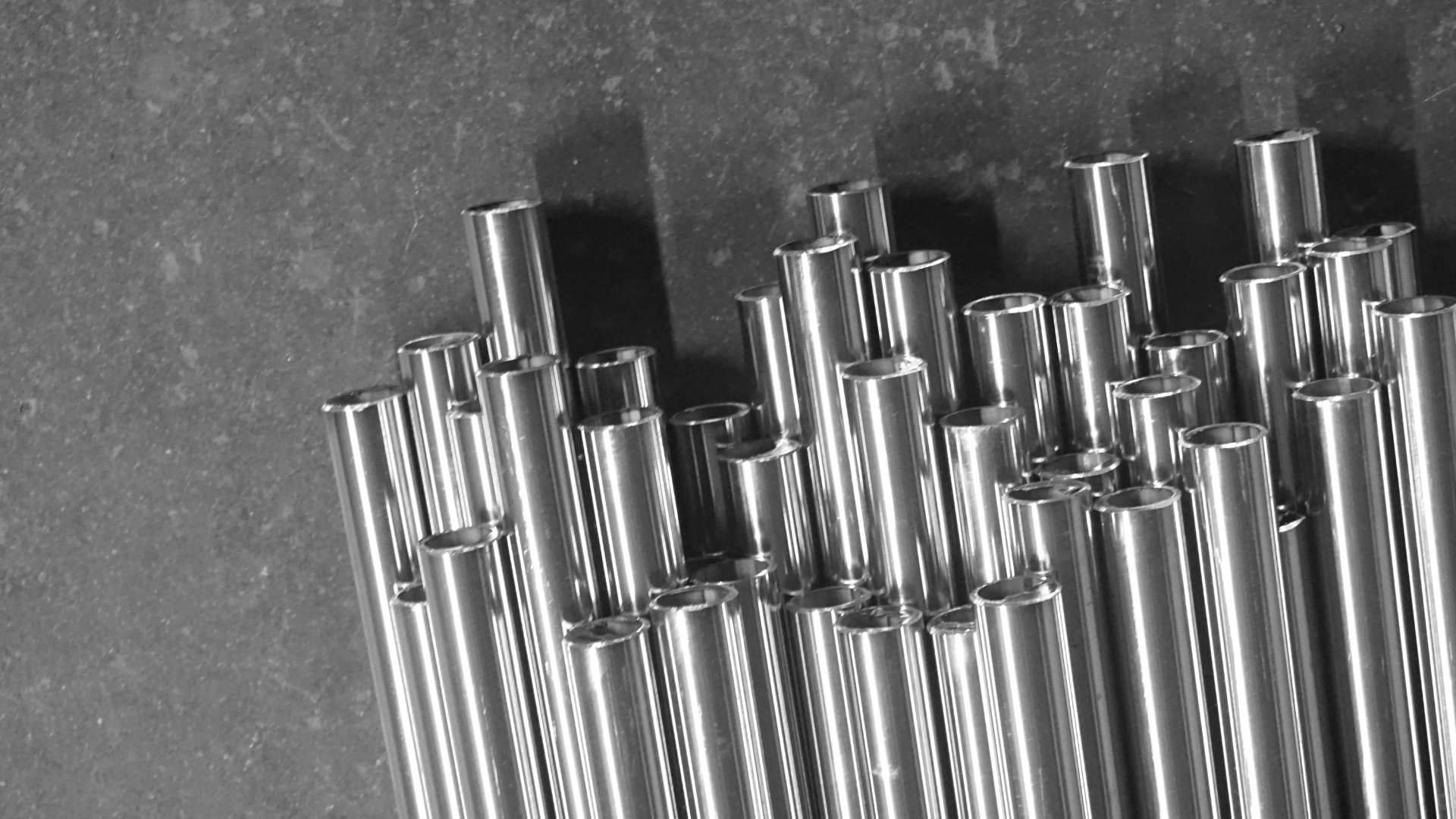
These properties decide how steel behaves during welding, bending, shaping, and load-bearing, which helps you avoid quality issues on site. Each property guides decisions around grade selection, fabrication steps, and safety margins.
Here are the key properties reviewed during procurement:
-
Yield Strength: Yield strength shows the point where steel begins to bend under stress, helping you match grade levels with project demands.
-
Tensile Strength: Tensile strength shows the maximum load steel can withstand before breaking, supporting safer performance across structural elements.
-
Elongation: Elongation indicates how much steel can stretch before failure, and Fe 500D offers higher elongation than Fe 550D during bending work.
-
Bendability: Bendability affects shaping during bar bending or fabrication, helping reduce cracks and rework during site operations.
-
Weldability: Weldability depends on the carbon equivalent value, and lower CE supports cleaner and more predictable weld joints.
-
Toughness: Toughness measures impact resistance, and IS 2062 sub-qualities such as BR, B0, and C confirm these performance levels.
-
Carbon Content: Carbon content influences weld response and strength, so buyers check values to align material with fabrication needs.
Now that you know the main properties, you can apply them to real buying decisions so your material choices support steady progress on site.
Also Read: Mild Steel Applications in Fabrication: Uses, Advantages & Processes
How to Choose the Right Steel and Avoid Costly Errors
Steel selection affects project timelines, structural safety, and site workflow, so buyers match grades, documentation, and dimensions with their drawings. A clear selection method helps avoid supply issues and reduces the risk of rework.
Here is a single consolidated list of what you should check before confirming an order:
-
Match grades with structural loads and select Fe 500D, Fe 550D, or E350 based on project demands.
-
Choose “D” variants where the bending work is extensive or complex for RCC construction.
-
Review CE values to ensure predictable welding during fabrication.
-
Verify section dimensions and tolerances using IS 808 and IS 1852.
-
Confirm coating levels, BMT, and TCT for GI sheets used in roofing work.
-
Select product types that match fabrication needs, such as CR sheets for precision work.
-
Review mill test reports for yield strength, tensile values, elongation, and CE levels.
-
Avoid mixing standards across structural, reinforcement, and hollow-section products.
-
Confirm documentation accuracy and reject material that does not match ordered specifications.
Once you know what correct selection requires, you can assess how a dependable source supports your need for verified grades and timely dispatch.

Why Contractors Choose SteelonCall for Precise Orders
Projects depend on correct grades, verified documents, and clear pricing, so buyers prefer predictable supply that supports specification accuracy. SteelonCall helps contractors and fabricators order steel with clarity by removing guesswork around pricing, supplier history, and delivery coordination.
Here are the reasons buyers choose the platform for specification-critical orders:
-
Clear GST-Inclusive Pricing: SteelonCall is the only digital steel marketplace that shows full GST-inclusive pricing upfront, helping you match specifications with verified costs before placing an order.
-
Verified Supplier Network: All listings come from trusted suppliers, reducing the risk of mixed grades, unverified batches, or unclear material history during inspection.
-
Price Match Support: If a verified lower quote appears for the same specification, the team matches it, helping you maintain predictable rates across repeat orders.
-
Fast and Planned Dispatch: Dispatch movement is monitored closely, giving you timely access to grade-specific material required for fabrication or RCC work.
-
Assured Grade Accuracy: Every batch is sourced from known brands, supporting confidence in yield strength, tensile values, and dimensional tolerance requirements.
-
Flexible Payment Choices: Multiple payment options help you manage cash flow when ordering different grades or large quantities tied to strict specifications.
-
Quick Technical Assistance: Fast support during booking or material tracking helps you resolve specification questions early and avoid delays on-site.
If you want structured supply and clear guidance on grade-specific steel, such as MS plates, sections, and TMT bars, reach out to SteelonCall and speak with our experts today.
Conclusion
Clear steel specifications help contractors, fabricators, and procurement teams avoid delays and maintain control over quality and cost. When grade, tolerance, and performance details are defined early, you can prevent mismatches and achieve smoother execution across RCC and structural work.
For teams seeking verified suppliers, clear pricing, and strong confidence in grade-specific orders, SteelonCall offers a structured way to source steel with accurate specifications and steady delivery support.
If you want dependable sourcing backed by correct grades and transparent systems, connect with SteelonCall and speak with our experts today.
FAQs
1. What is the difference between nominal size and actual size in steel sections?
Nominal size refers to the size stated in drawings, while actual size reflects the measured dimensions supplied by mills. Buyers check both because rolling tolerances may create small variations that affect fitment during fabrication.
2. Why do some projects request test certificates for each heat number?
Heat numbers trace each batch back to a specific production process, which helps confirm grade consistency. Projects request these certificates because traceability supports quality checks during audits or structural inspections.
3. Do TMT bars from different brands behave differently during bending?
Bending performance varies due to differences in chemistry, rib design, cooling control, and ductility levels. Buyers test sample bars because these variations can influence bending ease during slab or column preparation.
4. Why do fabrication teams reject plates with excessive waviness or buckling?
Waviness affects cutting accuracy and creates fitting issues during welding or assembly. Fabricators reject such plates because uneven surfaces increase preparation time and may affect the final alignment of welded structures.
What causes variation in weight across steel bundles from different mills?
Mills follow their own rolling tolerances within BIS limits, which creates weight differences across bundles of the same size. Buyers verify tolerance ranges because accurate weight affects quantity planning and billing during large orders.
Need a price for your requirement?
Share your grade, diameter and quantity — our steel experts come back with a live quote and delivery timeline.